The Top Material Stocks

🔥 Top Investors with Buy Ratings in Material Stocks

 3. Chaster Johnson42.13%
 14. Charles Johnson24.62%
 18. Mindful Investing on YouTube21.50%
 19. StockTeamUp Ideas20.06%
 24. Jesse Speigner15.89%
Cover Image by Tung Lam from Pixabay
Is the materials sector a good investment?
The material sector can be a promising investment due to its integral role in the global economy. This sector includes companies involved in mining, manufacturing, and producing essential materials like metals, chemicals, and construction materials. These materials are fundamental to various industries, making the sector resilient and potentially profitable, especially during economic growth phases. Additionally, the increasing demand for sustainable and advanced materials presents new opportunities for growth and innovation within the sector.
However, investing in the material sector also comes with risks. The sector is highly cyclical, meaning its performance is closely tied to the overall economic cycle. During economic downturns, demand for materials can decrease, leading to lower profitability for companies in this sector. Moreover, factors such as fluctuating commodity prices, regulatory changes, and environmental concerns can impact the sector’s performance.
What are Materials Stocks?

Materials stocks represent companies engaged in the production of raw materials, including metals, minerals, and forest products. These stocks are significantly influenced by global demand, economic conditions, and environmental regulations. As a key component of the S&P 500 Index, the Materials sector plays a vital role in many investors’ portfolios, offering exposure to essential industries that drive economic growth.
Understanding the performance of materials stocks is crucial for investors aiming to diversify their portfolios and achieve long-term returns. By closely monitoring economic trends and regulatory changes, investors can make informed decisions about their investments in this sector, potentially benefiting from the cyclical nature of materials stocks and their sensitivity to market dynamics.
What material should I invest in?
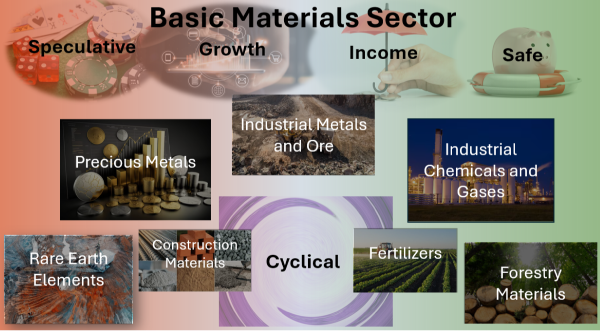
Investing in materials can be a strategic move, especially if you focus on sectors with high growth potential. Precious metals like gold and silver are always a safe bet due to their historical value and stability. These metals often serve as a hedge against inflation and economic downturns, making them a reliable choice for conservative investors. Additionally, the demand for precious metals is expected to rise, driven by their use in various industries, including technology and renewable energy.
On the other hand, advanced materials such as graphene and rare earth elements are gaining traction due to their applications in cutting-edge technologies These materials are essential in the production of high-tech devices, electric vehicles, and renewable energy solutions. Investing in companies that specialize in these advanced materials can offer substantial returns as the world shifts towards more sustainable and technologically advanced solutions. Therefore, balancing your portfolio with both precious metals and advanced materials can provide a mix of stability and growth potential.
When to invest in materials?

Image by Tumisu from Pixabay
Investing in material stocks can be a strategic move, especially during periods of inflation. These stocks often act as a hedge, preserving purchasing power as the prices of raw materials rise. With global infrastructure spending on the rise, particularly in developing countries, the demand for materials like steel, cement, and other construction essentials is expected to grow. This makes material stocks a potentially lucrative investment, as they stand to benefit from large-scale projects such as roads, bridges, and utilities.
Moreover, the cyclical nature of the materials sector means that timing your investment is crucial. Investing during the early stages of an economic recovery can yield significant returns as demand for materials surges.
Are material stocks cyclical?

Material stocks are indeed cyclical, closely tied to the fluctuations of the broader economy. During periods of economic growth, industries such as construction, manufacturing, and technology expand, leading to increased demand for raw materials like metals, chemicals, and construction materials. Conversely, during economic downturns, industrial activities slow down, leading to a decrease in demand for raw materials.
Investors in material stocks should be aware of these cyclical patterns, as they can significantly impact stock performance. Understanding the economic cycle can help investors make informed decisions about when to buy or sell material stocks, potentially maximizing returns and minimizing risks.
What is the best ETF for materials?
When it comes to investing in materials ETFs, the Materials Select Sector SPDR Fund (XLB) and the Vanguard Materials ETF (VAW) stand out as top choices. XLB tracks the S&P Materials Select Sector Index and offers exposure to large-cap U.S. materials stocks, making it a popular option for investors seeking stability and growth. On the other hand, VAW provides broader exposure across all cap sizes of U.S. materials stocks, offering a more diversified approach. Both ETFs have low expense ratios, making them cost-effective options for investors looking to gain exposure to the materials sector.
Another notable ETF is the iShares Global Materials ETF (MXI), which provides exposure to materials companies outside the U.S., allowing investors to diversify globally. This ETF tracks the S&P Global 1200 Materials Sector Index and includes companies involved in the extraction, processing, and production of raw materials. With these ETFs, investors can benefit from the growth of the materials sector, which includes industries such as metals, mining, agriculture, and timber.
What are advanced materials companies?

Advanced materials companies specialize in developing and producing materials with unique properties that offer superior performance compared to conventional materials. These materials are used across various industries, including electronics, aerospace, automotive, and healthcare, due to their enhanced strength, durability, and functionality. Companies in this sector focus on innovation and research to create materials like advanced polymers, composites, and nanomaterials, which are essential for the development of cutting-edge technologies.
Investing in advanced materials companies can be highly lucrative, as these materials are critical for the advancement of numerous high-growth industries. The demand for advanced materials is expected to rise as technology continues to evolve, making these companies attractive investment opportunities. By staying at the forefront of material science, these companies play a pivotal role in shaping the future of technology and industry.
What are building material stocks?
Building material stocks represent companies involved in the production and distribution of essential construction materials such as concrete, cement, steel, and lumber. These materials are fundamental to the construction industry, which relies on them to build residential, commercial, and infrastructure projects. Investing in building material stocks can be lucrative, especially during periods of economic growth when construction activities surge, driving up demand for these materials.
The cyclical nature of the construction industry means that building material stocks can experience significant fluctuations based on economic conditions. During economic expansions, these stocks tend to perform well as construction projects increase. Conversely, during economic downturns, demand for building materials may decline, impacting stock performance. Investors should consider these factors when evaluating building material stocks for their portfolios.
What are the best metal stocks to buy?

Investing in metal stocks can be a lucrative opportunity, especially given the essential role metals play in various industries. Companies involved in the exploration, production, and distribution of metals like steel, aluminum, copper, and zinc are pivotal to the global economy. These stocks offer exposure to the performance of the metal industry, which can be influenced by factors such as commodity prices, supply and demand dynamics, and geopolitical events.
Which Companies are the biggest producer of raw materials?

The largest producers of raw materials globally include companies like BHP Group, Rio Tinto, and Vale S.A.. These companies dominate the mining industry, extracting essential materials such as iron ore, copper, and coal. BHP Group, headquartered in Australia, is one of the world’s leading resource companies, with operations spanning across minerals, oil, and gas. Rio Tinto, another major player, is known for its extensive iron ore and aluminum production. Vale S.A., based in Brazil, is the largest producer of iron ore and nickel, playing a crucial role in the global supply chain.
In addition to these mining giants, companies like ArcelorMittal and Cemex are significant contributors to the raw materials market. ArcelorMittal, the world’s largest steel producer, supplies a substantial portion of the global steel demand, which is vital for construction and manufacturing industries. Cemex, a leading cement manufacturer, provides essential building materials for infrastructure projects worldwide. These companies’ operations are integral to various industries, including construction, automotive, and technology, highlighting their importance in the global economy.
Top Materials Stocks to Watch
These material stocks are commonly quoted in the media due to their relative size versus their peers. Keep and eye on these companies when assessing the materials sector.
- Linde PLC (LIN) - a German chemical company that produces gases and chemicals.
- BHP Group Ltd (BHP) - an Australian multinational mining, metals, and petroleum company.
- Rio Tinto PLC (RIO) - a British-Australian multinational mining company.
- Air Liquide SA (AIQUY) - a French multinational company that supplies gases and services.
- Southern Copper Corp. (SCCO) - a Chilean copper mining company.
Final Thoughts
The materials sector presents a compelling investment opportunity due to its essential role in the global economy and its potential for growth, particularly in periods of economic expansion. The sector’s involvement in producing fundamental materials for various industries makes it resilient and profitable. Additionally, the rising demand for sustainable and advanced materials offers new avenues for innovation and growth. However, investors must be mindful of the sector’s cyclical nature and the associated risks, such as fluctuating commodity prices, regulatory changes, and environmental concerns. Thorough research and a strategic approach are crucial for navigating these challenges and maximizing returns. By balancing investments in both traditional and advanced materials, and timing investments to align with economic cycles, investors can build a diversified and resilient portfolio that capitalizes on the strengths of the materials sector.