🔑 Key Takeaways: Future of Car Ownership Models
🚗 Car ownership is shifting from one-time purchases to ongoing subscription-based access models
The traditional idea of buying a car outright is being replaced by hybrid and subscription-based ownership systems. Drivers may now own a base vehicle but pay monthly for features, upgrades, and software-enabled functions. This shift is turning cars into flexible digital platforms instead of fixed products.
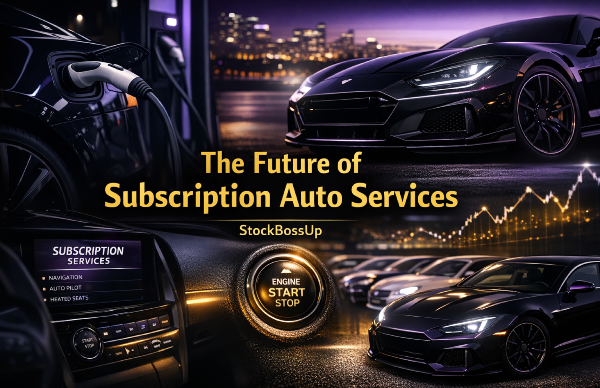
💸 Automakers are using subscriptions to create steady revenue and monetize software-driven vehicle features
Car companies are moving toward recurring income models similar to streaming services. Software-controlled features like performance upgrades, safety tools, and comfort settings can now be unlocked over time. This allows automakers to generate long-term revenue from a single vehicle sale.
⚙️ Electric vehicles and connected software systems are accelerating the rise of feature-based car monetization
Electric vehicles and software-defined cars are built for continuous updates and remote feature activation. This makes it easier to offer upgrades such as battery optimization, performance boosts, and charging enhancements through subscriptions rather than hardware changes.
⚖️ The future of car ownership depends on trust, transparency, and balancing cost with driver control
Widespread adoption of subscription-based car models will depend on how well automakers balance pricing, clarity, and fairness. Drivers want predictable costs and clear value, while avoiding paywalls on essential features. Trust and transparency will determine whether these models succeed long term.
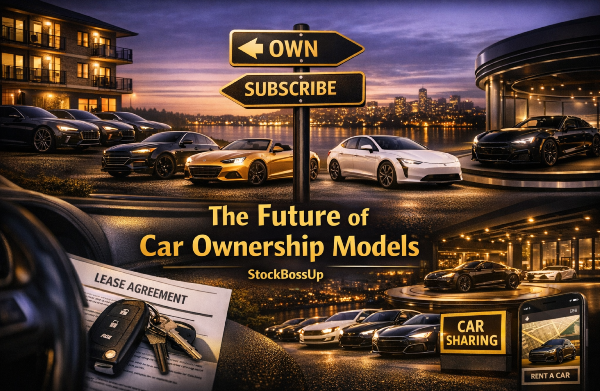
The Future of Car Ownership Models
Car ownership is changing in ways most drivers do not fully see yet. For over a century, owning a car meant a simple idea. You bought it, paid it off, and used it until it wore out. That model is now under pressure. New technology, rising costs, and software-driven vehicles are reshaping what “owning a car” even means.
The problem is simple but important. Drivers want modern features, lower costs, and flexibility. Automakers want steady profit and long-term customer relationships. These goals do not always match. A new set of ownership models is forming in the middle of that tension.
But the real question is not what is changing. It is who benefits the most from these changes, and who might lose control in the process.
Why Traditional Car Ownership Is Starting to Break Down
For decades, car ownership followed a clear path. You paid once, and the car was yours. Maintenance and upgrades were optional. That system worked when cars were mostly mechanical.
Today, cars are computers on wheels. Software controls safety systems, performance, entertainment, and even comfort features. This shift has changed the value of ownership.
Instead of buying a finished product, drivers are now buying a platform that can change over time.
This creates tension. If features can be updated remotely, should they still be part of the original purchase? Or should they be treated like ongoing services?
Why Are Automakers Moving Toward Subscription Models?
Automakers are not only selling cars anymore. They are selling experiences that continue after purchase.
Subscription models give companies steady income. This is important because car sales can rise and fall depending on the economy. Subscriptions smooth out that instability.
They also allow automakers to sell features multiple times. A single vehicle can generate revenue for years instead of once.
Another reason is data. Connected cars provide information about driving habits, feature usage, and vehicle performance. That data helps companies design future upgrades and pricing strategies.
A lesser-known detail is that some manufacturers already design cars with “inactive hardware” installed. These are physical components built into the car but locked by software until a driver pays to activate them.
Why Do Drivers Feel Uneasy About Paying for Features Twice?
Drivers often feel that subscriptions double-charge them. They buy a car, but still must pay to unlock features.
This creates frustration because expectations have not caught up with technology.
There is also confusion. Subscription menus inside vehicles can include safety tools, comfort upgrades, and entertainment features all in one place. Many drivers are unsure what is essential and what is optional.
Trust is another issue. People want to know that if they pay, the feature will always work. They also want clear rules about what happens if they stop paying.
| Driver Concern |
What It Means in Practice |
| Feature ownership |
Losing access when payments stop |
| Cost uncertainty |
Unclear long-term monthly expenses |
| Feature overlap |
Confusion about what is standard vs paid |
| Trust in automakers |
Fear of hidden or changing pricing models |
Why Is Software Becoming More Important Than Hardware?
Cars used to be defined by engines, transmissions, and design. Now software defines much of the driving experience.
This shift changes how value is created. A car can improve after purchase through updates. It can also gain new features without physical changes.
Software also allows automakers to control timing. Instead of releasing everything at once, they can unlock features over time.
One unexpected reality is that modern cars often have more computing power than early space missions. That computing power is used not just for driving, but for entertainment, safety, and data tracking systems.
This makes cars feel less like finished products and more like evolving systems.
Why Are Ownership Models Starting to Split Into Layers?
Car ownership is no longer one simple category. It is breaking into layers of access and control.
Drivers may own the base vehicle but subscribe to specific features. Others may lease everything as a service.
This creates hybrid models that combine ownership with rental-style flexibility.
The industry is experimenting with bundles to simplify this structure. Instead of paying for individual features, drivers may choose grouped packages.
| Model Type |
What the Driver Owns |
What Is Paid Monthly |
| Traditional ownership |
Entire vehicle |
None |
| Hybrid ownership |
Vehicle + base features |
Upgrades and software |
| Full subscription model |
Access to vehicle only |
Entire driving experience |
Why Are Electric Vehicles Changing the Ownership Game?
Electric vehicles (EVs) are naturally aligned with subscription systems.
They rely heavily on software for performance, charging, and efficiency. This makes them easier to upgrade remotely.
EVs also reduce traditional maintenance revenue for automakers. Fewer moving parts means fewer service visits. Subscriptions help replace that lost income.
In some cases, EVs are sold with larger battery capacity than advertised. The extra capacity is locked behind software and can be unlocked later for additional range.
This creates a flexible pricing system where the same physical car can serve multiple market segments.
Why Are Insurance Companies Entering the Subscription Space?
Insurance is becoming more dynamic because cars are constantly connected.
Instead of fixed annual pricing, insurance can adjust based on real-time driving behavior.
This leads to subscription-style insurance models that change monthly.
| Insurance Model |
Pricing Style |
Flexibility Level |
Data Usage |
| Traditional insurance |
Fixed annual |
Low |
Limited |
| Usage-based insurance |
Monthly variable |
Medium |
Moderate |
| Subscription insurance |
Fully dynamic |
High |
Extensive |
A unique shift is that some insurers now reward drivers for using built-in safety subscriptions. If a driver enables certain safety systems, their insurance cost may drop automatically.
This links driving behavior, software features, and insurance pricing in a single system.
Why Do Subscription Features Change Driver Behavior?
Subscriptions do more than change payment methods. They change how people use their cars.
Drivers may activate features only when needed. For example, performance upgrades might be turned on only for road trips. Entertainment packages might be used only during travel seasons.
This creates flexible usage patterns instead of fixed ownership habits.
However, most drivers still prefer simplicity. Many avoid managing multiple subscriptions inside a single vehicle.
| Feature Type |
Usage Pattern |
Driver Preference |
| Safety systems |
Always on |
High |
| Entertainment |
Occasional use |
High |
| Comfort upgrades |
Seasonal use |
Medium |
| Performance boosts |
Rare activation |
Low |
Why Is Trust the Biggest Factor in Future Adoption?
The biggest challenge is not technology. It is trust.
Drivers must believe that subscription features are fair, useful, and stable over time.
If companies overuse paywalls, drivers will resist. If pricing feels unclear, adoption will slow.
Trust also depends on long-term access. People want assurance that features they pay for will not disappear unexpectedly.
Privacy plays a role as well. Connected cars collect large amounts of data. Drivers want control over how that data is used.
Why Are Governments Starting to Watch Subscription Cars?
As car ownership models evolve, governments are paying closer attention.
The main concern is transparency. Drivers should understand what is included in their purchase and what requires ongoing payment.
Another concern is safety. Some worry that essential features could become locked behind subscriptions.
Regulation may eventually require automakers to clearly label:
- Standard features
- Optional paid features
- Data collection policies
This could reshape how subscription models are designed in the future.
Why Are Younger Drivers Driving the Change?
Younger generations are more familiar with subscription systems. They already use them for music, streaming, and software.
This makes them more open to flexible ownership models.
They are also less tied to long-term ownership. Instead, they prefer access and adaptability.
Older drivers tend to prefer traditional ownership. They value stability and predictability.
This generational divide is shaping how fast subscription models grow.
What Is the Real Future of Car Ownership?
The future of car ownership is not a single model. It is a mix of systems that overlap.
Some drivers will still buy cars outright. Others will use hybrid ownership with subscriptions layered on top. Some may shift toward full service-based access.
The key challenge is balance. Drivers want control, clarity, and fairness. Automakers want flexibility and long-term revenue.
The model that succeeds will be the one that respects both sides.
The real solution is not removing ownership. It is redefining it so that drivers feel in control, even as cars become more connected, software-driven, and service-based.
In the end, ownership is no longer just about possession. It is about access, experience, and trust.










🔑 Key Takeaways: Future of Car Ownership Models
🚗 Car ownership is shifting from one-time purchases to ongoing subscription-based access models
The traditional idea of buying a car outright is being replaced by hybrid and subscription-based ownership systems. Drivers may now own a base vehicle but pay monthly for features, upgrades, and software-enabled functions. This shift is turning cars into flexible digital platforms instead of fixed products.
💸 Automakers are using subscriptions to create steady revenue and monetize software-driven vehicle features
Car companies are moving toward recurring income models similar to streaming services. Software-controlled features like performance upgrades, safety tools, and comfort settings can now be unlocked over time. This allows automakers to generate long-term revenue from a single vehicle sale.
⚙️ Electric vehicles and connected software systems are accelerating the rise of feature-based car monetization
Electric vehicles and software-defined cars are built for continuous updates and remote feature activation. This makes it easier to offer upgrades such as battery optimization, performance boosts, and charging enhancements through subscriptions rather than hardware changes.
⚖️ The future of car ownership depends on trust, transparency, and balancing cost with driver control
Widespread adoption of subscription-based car models will depend on how well automakers balance pricing, clarity, and fairness. Drivers want predictable costs and clear value, while avoiding paywalls on essential features. Trust and transparency will determine whether these models succeed long term.
The Future of Car Ownership Models
Car ownership is changing in ways most drivers do not fully see yet. For over a century, owning a car meant a simple idea. You bought it, paid it off, and used it until it wore out. That model is now under pressure. New technology, rising costs, and software-driven vehicles are reshaping what “owning a car” even means.
The problem is simple but important. Drivers want modern features, lower costs, and flexibility. Automakers want steady profit and long-term customer relationships. These goals do not always match. A new set of ownership models is forming in the middle of that tension.
But the real question is not what is changing. It is who benefits the most from these changes, and who might lose control in the process.
Why Traditional Car Ownership Is Starting to Break Down
For decades, car ownership followed a clear path. You paid once, and the car was yours. Maintenance and upgrades were optional. That system worked when cars were mostly mechanical.
Today, cars are computers on wheels. Software controls safety systems, performance, entertainment, and even comfort features. This shift has changed the value of ownership.
Instead of buying a finished product, drivers are now buying a platform that can change over time.
This creates tension. If features can be updated remotely, should they still be part of the original purchase? Or should they be treated like ongoing services?
Why Are Automakers Moving Toward Subscription Models?
Automakers are not only selling cars anymore. They are selling experiences that continue after purchase.
Subscription models give companies steady income. This is important because car sales can rise and fall depending on the economy. Subscriptions smooth out that instability.
They also allow automakers to sell features multiple times. A single vehicle can generate revenue for years instead of once.
Another reason is data. Connected cars provide information about driving habits, feature usage, and vehicle performance. That data helps companies design future upgrades and pricing strategies.
A lesser-known detail is that some manufacturers already design cars with “inactive hardware” installed. These are physical components built into the car but locked by software until a driver pays to activate them.
Why Do Drivers Feel Uneasy About Paying for Features Twice?
Drivers often feel that subscriptions double-charge them. They buy a car, but still must pay to unlock features.
This creates frustration because expectations have not caught up with technology.
There is also confusion. Subscription menus inside vehicles can include safety tools, comfort upgrades, and entertainment features all in one place. Many drivers are unsure what is essential and what is optional.
Trust is another issue. People want to know that if they pay, the feature will always work. They also want clear rules about what happens if they stop paying.
Why Is Software Becoming More Important Than Hardware?
Cars used to be defined by engines, transmissions, and design. Now software defines much of the driving experience.
This shift changes how value is created. A car can improve after purchase through updates. It can also gain new features without physical changes.
Software also allows automakers to control timing. Instead of releasing everything at once, they can unlock features over time.
One unexpected reality is that modern cars often have more computing power than early space missions. That computing power is used not just for driving, but for entertainment, safety, and data tracking systems.
This makes cars feel less like finished products and more like evolving systems.
Why Are Ownership Models Starting to Split Into Layers?
Car ownership is no longer one simple category. It is breaking into layers of access and control.
Drivers may own the base vehicle but subscribe to specific features. Others may lease everything as a service.
This creates hybrid models that combine ownership with rental-style flexibility.
The industry is experimenting with bundles to simplify this structure. Instead of paying for individual features, drivers may choose grouped packages.
Why Are Electric Vehicles Changing the Ownership Game?
Electric vehicles (EVs) are naturally aligned with subscription systems.
They rely heavily on software for performance, charging, and efficiency. This makes them easier to upgrade remotely.
EVs also reduce traditional maintenance revenue for automakers. Fewer moving parts means fewer service visits. Subscriptions help replace that lost income.
In some cases, EVs are sold with larger battery capacity than advertised. The extra capacity is locked behind software and can be unlocked later for additional range.
This creates a flexible pricing system where the same physical car can serve multiple market segments.
Why Are Insurance Companies Entering the Subscription Space?
Insurance is becoming more dynamic because cars are constantly connected.
Instead of fixed annual pricing, insurance can adjust based on real-time driving behavior.
This leads to subscription-style insurance models that change monthly.
A unique shift is that some insurers now reward drivers for using built-in safety subscriptions. If a driver enables certain safety systems, their insurance cost may drop automatically.
This links driving behavior, software features, and insurance pricing in a single system.
Why Do Subscription Features Change Driver Behavior?
Subscriptions do more than change payment methods. They change how people use their cars.
Drivers may activate features only when needed. For example, performance upgrades might be turned on only for road trips. Entertainment packages might be used only during travel seasons.
This creates flexible usage patterns instead of fixed ownership habits.
However, most drivers still prefer simplicity. Many avoid managing multiple subscriptions inside a single vehicle.
Why Is Trust the Biggest Factor in Future Adoption?
The biggest challenge is not technology. It is trust.
Drivers must believe that subscription features are fair, useful, and stable over time.
If companies overuse paywalls, drivers will resist. If pricing feels unclear, adoption will slow.
Trust also depends on long-term access. People want assurance that features they pay for will not disappear unexpectedly.
Privacy plays a role as well. Connected cars collect large amounts of data. Drivers want control over how that data is used.
Why Are Governments Starting to Watch Subscription Cars?
As car ownership models evolve, governments are paying closer attention.
The main concern is transparency. Drivers should understand what is included in their purchase and what requires ongoing payment.
Another concern is safety. Some worry that essential features could become locked behind subscriptions.
Regulation may eventually require automakers to clearly label:
This could reshape how subscription models are designed in the future.
Why Are Younger Drivers Driving the Change?
Younger generations are more familiar with subscription systems. They already use them for music, streaming, and software.
This makes them more open to flexible ownership models.
They are also less tied to long-term ownership. Instead, they prefer access and adaptability.
Older drivers tend to prefer traditional ownership. They value stability and predictability.
This generational divide is shaping how fast subscription models grow.
What Is the Real Future of Car Ownership?
The future of car ownership is not a single model. It is a mix of systems that overlap.
Some drivers will still buy cars outright. Others will use hybrid ownership with subscriptions layered on top. Some may shift toward full service-based access.
The key challenge is balance. Drivers want control, clarity, and fairness. Automakers want flexibility and long-term revenue.
The model that succeeds will be the one that respects both sides.
The real solution is not removing ownership. It is redefining it so that drivers feel in control, even as cars become more connected, software-driven, and service-based.
In the end, ownership is no longer just about possession. It is about access, experience, and trust.