Key Takeaways: Auto Manufacturers With the Best Resale Value
💰 Resale Value Impacts the True Cost of Car Ownership
Most drivers focus on the purchase price, but depreciation is often the biggest hidden cost. Vehicles with strong resale value can save thousands over time by retaining more of their original worth when it’s time to sell or trade in.
🏆 Toyota, Lexus, Honda, and Subaru Lead in Value Retention
Brands known for reliability and consistent demand tend to hold their value best. Toyota, Lexus, Honda, and Subaru repeatedly rank among the top automakers for resale value across multiple vehicle segments.
🚙 Vehicle Type and Demand Play a Major Role
Pickup trucks and SUVs usually have higher resale value due to strong market demand and versatility. Sedans and luxury vehicles often depreciate faster, especially when supply is high or maintenance costs are elevated.
🔧 Maintenance, Timing, and Model Choice Drive Resale Success
Resale value is not just about the brand. Choosing a popular model, maintaining the vehicle properly, and selling at the right time can significantly increase how much a car is worth in the used market.
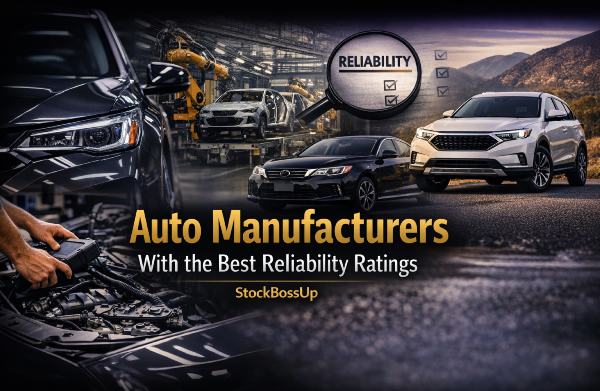
Auto Manufacturers With the Best Resale Value
Buying a car feels like a big win at first. You get the features you want, the color you like, and the monthly payment that fits your budget. But a few years later, many drivers run into a problem they didn’t expect. The car is worth far less than they thought.
This is where most people lose money. Not at purchase, but at resale.
Depreciation eats away at a vehicle’s value every year. Some cars lose value fast. Others hold strong for years. The gap between the two can mean thousands of dollars gained or lost.
Most buyers don’t think about resale value until it’s time to sell or trade in. By then, the damage is already done.
So which auto manufacturers actually hold their value the best? And why do some brands consistently outperform others?
We’ll break that down step by step.
Why Do Some Cars Lose Value Faster Than Others?
Depreciation starts the moment a car leaves the lot. But not all vehicles depreciate at the same rate.
Some lose 20% of their value in the first year. Others drop much slower.
Several factors drive this difference:
- Brand reputation
- Reliability history
- Market demand
- Cost of ownership
- Vehicle segment
Cars with strong reputations tend to hold value better. Buyers trust them. That trust keeps demand high in the used market.
On the other hand, vehicles with mixed reviews or higher repair costs often lose value faster. Buyers hesitate, which lowers resale prices.
Which Brands Consistently Deliver Strong Resale Value?
Some automakers stand out year after year.
Toyota is often at the top. Its vehicles are known for durability and low maintenance costs. That keeps demand high even after years of use.
Lexus follows closely. It combines luxury with long-term reliability, which is rare.
Honda also performs well. Models like the Civic and Accord hold value due to their strong track record.
Subaru stands out in colder regions. Its all-wheel drive systems and safety reputation keep resale values high.
Meanwhile, Porsche often leads among luxury performance brands. Limited production and strong demand help protect its resale value.
Here’s how major brands compare based on typical five-year depreciation:
| Brand |
5-Year Value Retained |
Key Strengths |
Market Perception |
| Toyota |
60%–70% |
Reliability, low ownership cost |
Very strong |
| Lexus |
55%–65% |
Luxury + durability |
Strong |
| Honda |
55%–65% |
Efficiency, reputation |
Strong |
| Subaru |
55%–60% |
AWD, safety |
Regionally strong |
| Porsche |
60%–75% |
Performance, exclusivity |
Premium |
These numbers vary by model, but the trend stays consistent.
Why Do Some Luxury Brands Lose Value Quickly?
Luxury cars often come with high price tags and advanced features. But they don’t always hold value well.
Brands like BMW and Mercedes-Benz tend to depreciate faster than expected.
There are a few reasons:
- High maintenance costs
- Expensive repairs
- Rapid tech changes
- Lease-heavy buyer base
Many luxury buyers lease instead of buy. This creates a steady flow of used vehicles into the market. More supply can push prices down.
Newer models also introduce updated tech. Older versions feel outdated faster, which lowers demand.
How Does Reliability Impact Resale Value?
Reliability plays a major role in resale value.
Buyers in the used market want cars they can trust. A reliable brand reduces risk.
Vehicles from Toyota and Honda often sell faster because buyers expect fewer problems.
Cars with a history of issues may sit longer. Sellers often lower prices to attract buyers.
This creates a direct link between reliability and resale value.
Does Vehicle Type Affect Resale Value?
Not all vehicle types perform the same.
Trucks and SUVs often hold value better than sedans. Demand stays high because of their utility.
Pickup trucks from brands like Toyota and Ford tend to perform especially well.
Compact cars can still hold value if they are reliable and efficient. Large luxury sedans often lose value faster.
Here’s a breakdown by vehicle type:
| Vehicle Type |
Resale Strength |
Reason for Performance |
| Pickup Trucks |
Very High |
High demand, durability |
| SUVs |
High |
Versatility, family use |
| Compact Cars |
Medium–High |
Efficiency, affordability |
| Luxury Sedans |
Low–Medium |
High cost, fast depreciation |
| Sports Cars |
Varies |
Demand depends on brand and rarity |
Why Do Some Models Become Resale Champions?
Even within strong brands, some models stand out.
Vehicles like the Toyota Tacoma and Jeep Wrangler have unique resale strength. They often hold value better than most vehicles in their class.
One reason is their loyal customer base. Buyers actively search for these models, even used.
Another factor is durability. These vehicles are built for tough conditions.
In some cases, limited supply also plays a role. When demand is higher than supply, prices stay strong.
How Do Market Trends Shape Resale Value?
The used car market changes over time.
Fuel prices, economic conditions, and consumer preferences all play a role.
For example:
- Rising gas prices increase demand for efficient cars
- Economic downturns shift buyers toward used vehicles
- SUV popularity boosts their resale value
Timing matters more than many expect. Selling at the right moment can change how much a car is worth.
Do Electric Vehicles Hold Their Value?
Electric vehicles are changing the resale market.
Tesla has shown that strong demand can support resale value. Some models have held value better than expected.
However, EV depreciation can vary.
Factors include:
- Battery health
- Charging access
- Fast-changing technology
As newer models improve range and performance, older ones may lose value faster.
The gap is narrowing as the market matures.
How Much Does Maintenance History Matter?
Maintenance plays a big role in resale value.
A well-maintained car often sells for more than a neglected one.
Buyers look for:
- Service records
- Low mileage
- Clean condition
Skipping routine care can reduce value quickly.
Here’s how maintenance impacts resale:
| Condition Factor |
Impact on Resale Value |
Buyer Perception |
| Full service history |
Very High |
Builds trust |
| Low mileage |
High |
Suggests less wear |
| Clean interior |
Medium |
Shows care |
| Accident history |
Very High (negative) |
Reduces demand |
| Regular maintenance |
High |
Supports reliability |
Why Do Some Cars Keep Value Longer Than Expected?
Some vehicles outperform expectations.
Certain Porsche sports cars have held over 70% of their value after five years. This is rare.
In some cases, pickup trucks have sold used for close to their original price during high demand periods.
These situations show how strong demand can override normal depreciation patterns.
What Role Does Brand Perception Play?
Brand image has a strong effect on resale value.
Buyers connect certain brands with quality or status.
For example:
- Toyota = dependable
- Lexus = reliable luxury
- Porsche = performance and prestige
These perceptions influence buying decisions in the used market.
A strong image can protect value even as a vehicle ages.
How Can Buyers Protect Their Car’s Value?
There are ways to reduce depreciation.
Choosing the right brand is just the start.
Other strategies include:
- Buying popular models
- Avoiding first-year redesigns
- Keeping mileage low
- Following maintenance schedules
- Keeping the vehicle clean
Small choices can make a big difference.
So Which Auto Manufacturers Truly Have the Best Resale Value?
A clear pattern appears after reviewing the data.
Brands that focus on reliability, consistency, and demand tend to lead.
Toyota, Lexus, Honda, and Subaru consistently perform well.
In the performance space, Porsche stands out.
But there is one key point many buyers miss.
Resale value is not just about the brand. It depends on demand, timing, condition, and model choice.
A smart buyer thinks about what a car will be worth years from now, not just what it costs today.
That is how you avoid the hidden cost that most drivers never see coming.



Key Takeaways: Auto Manufacturers With the Best Resale Value
💰 Resale Value Impacts the True Cost of Car Ownership
Most drivers focus on the purchase price, but depreciation is often the biggest hidden cost. Vehicles with strong resale value can save thousands over time by retaining more of their original worth when it’s time to sell or trade in.🏆 Toyota, Lexus, Honda, and Subaru Lead in Value Retention
Brands known for reliability and consistent demand tend to hold their value best. Toyota, Lexus, Honda, and Subaru repeatedly rank among the top automakers for resale value across multiple vehicle segments.🚙 Vehicle Type and Demand Play a Major Role
Pickup trucks and SUVs usually have higher resale value due to strong market demand and versatility. Sedans and luxury vehicles often depreciate faster, especially when supply is high or maintenance costs are elevated.🔧 Maintenance, Timing, and Model Choice Drive Resale Success
Resale value is not just about the brand. Choosing a popular model, maintaining the vehicle properly, and selling at the right time can significantly increase how much a car is worth in the used market.Auto Manufacturers With the Best Resale Value
Buying a car feels like a big win at first. You get the features you want, the color you like, and the monthly payment that fits your budget. But a few years later, many drivers run into a problem they didn’t expect. The car is worth far less than they thought.
This is where most people lose money. Not at purchase, but at resale.
Depreciation eats away at a vehicle’s value every year. Some cars lose value fast. Others hold strong for years. The gap between the two can mean thousands of dollars gained or lost.
Most buyers don’t think about resale value until it’s time to sell or trade in. By then, the damage is already done.
So which auto manufacturers actually hold their value the best? And why do some brands consistently outperform others?
We’ll break that down step by step.
Why Do Some Cars Lose Value Faster Than Others?
Depreciation starts the moment a car leaves the lot. But not all vehicles depreciate at the same rate.
Some lose 20% of their value in the first year. Others drop much slower.
Several factors drive this difference:
Cars with strong reputations tend to hold value better. Buyers trust them. That trust keeps demand high in the used market.
On the other hand, vehicles with mixed reviews or higher repair costs often lose value faster. Buyers hesitate, which lowers resale prices.
Which Brands Consistently Deliver Strong Resale Value?
Some automakers stand out year after year.
Toyota is often at the top. Its vehicles are known for durability and low maintenance costs. That keeps demand high even after years of use.
Lexus follows closely. It combines luxury with long-term reliability, which is rare.
Honda also performs well. Models like the Civic and Accord hold value due to their strong track record.
Subaru stands out in colder regions. Its all-wheel drive systems and safety reputation keep resale values high.
Meanwhile, Porsche often leads among luxury performance brands. Limited production and strong demand help protect its resale value.
Here’s how major brands compare based on typical five-year depreciation:
These numbers vary by model, but the trend stays consistent.
Why Do Some Luxury Brands Lose Value Quickly?
Luxury cars often come with high price tags and advanced features. But they don’t always hold value well.
Brands like BMW and Mercedes-Benz tend to depreciate faster than expected.
There are a few reasons:
Many luxury buyers lease instead of buy. This creates a steady flow of used vehicles into the market. More supply can push prices down.
Newer models also introduce updated tech. Older versions feel outdated faster, which lowers demand.
How Does Reliability Impact Resale Value?
Reliability plays a major role in resale value.
Buyers in the used market want cars they can trust. A reliable brand reduces risk.
Vehicles from Toyota and Honda often sell faster because buyers expect fewer problems.
Cars with a history of issues may sit longer. Sellers often lower prices to attract buyers.
This creates a direct link between reliability and resale value.
Does Vehicle Type Affect Resale Value?
Not all vehicle types perform the same.
Trucks and SUVs often hold value better than sedans. Demand stays high because of their utility.
Pickup trucks from brands like Toyota and Ford tend to perform especially well.
Compact cars can still hold value if they are reliable and efficient. Large luxury sedans often lose value faster.
Here’s a breakdown by vehicle type:
Why Do Some Models Become Resale Champions?
Even within strong brands, some models stand out.
Vehicles like the Toyota Tacoma and Jeep Wrangler have unique resale strength. They often hold value better than most vehicles in their class.
One reason is their loyal customer base. Buyers actively search for these models, even used.
Another factor is durability. These vehicles are built for tough conditions.
In some cases, limited supply also plays a role. When demand is higher than supply, prices stay strong.
How Do Market Trends Shape Resale Value?
The used car market changes over time.
Fuel prices, economic conditions, and consumer preferences all play a role.
For example:
Timing matters more than many expect. Selling at the right moment can change how much a car is worth.
Do Electric Vehicles Hold Their Value?
Electric vehicles are changing the resale market.
Tesla has shown that strong demand can support resale value. Some models have held value better than expected.
However, EV depreciation can vary.
Factors include:
As newer models improve range and performance, older ones may lose value faster.
The gap is narrowing as the market matures.
How Much Does Maintenance History Matter?
Maintenance plays a big role in resale value.
A well-maintained car often sells for more than a neglected one.
Buyers look for:
Skipping routine care can reduce value quickly.
Here’s how maintenance impacts resale:
Why Do Some Cars Keep Value Longer Than Expected?
Some vehicles outperform expectations.
Certain Porsche sports cars have held over 70% of their value after five years. This is rare.
In some cases, pickup trucks have sold used for close to their original price during high demand periods.
These situations show how strong demand can override normal depreciation patterns.
What Role Does Brand Perception Play?
Brand image has a strong effect on resale value.
Buyers connect certain brands with quality or status.
For example:
These perceptions influence buying decisions in the used market.
A strong image can protect value even as a vehicle ages.
How Can Buyers Protect Their Car’s Value?
There are ways to reduce depreciation.
Choosing the right brand is just the start.
Other strategies include:
Small choices can make a big difference.
So Which Auto Manufacturers Truly Have the Best Resale Value?
A clear pattern appears after reviewing the data.
Brands that focus on reliability, consistency, and demand tend to lead.
Toyota, Lexus, Honda, and Subaru consistently perform well.
In the performance space, Porsche stands out.
But there is one key point many buyers miss.
Resale value is not just about the brand. It depends on demand, timing, condition, and model choice.
A smart buyer thinks about what a car will be worth years from now, not just what it costs today.
That is how you avoid the hidden cost that most drivers never see coming.