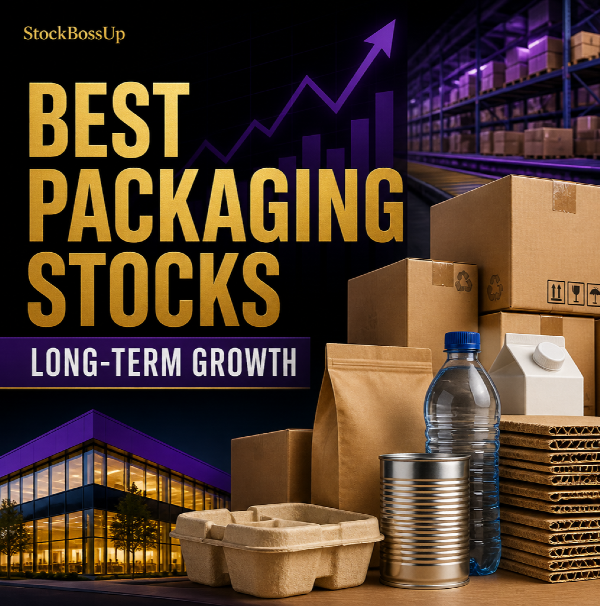
How Corrugated Packaging Became a Core Driver of E‑Commerce Growth
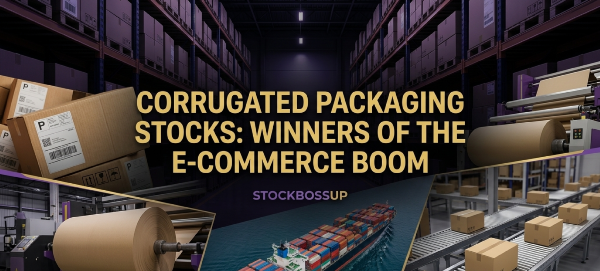
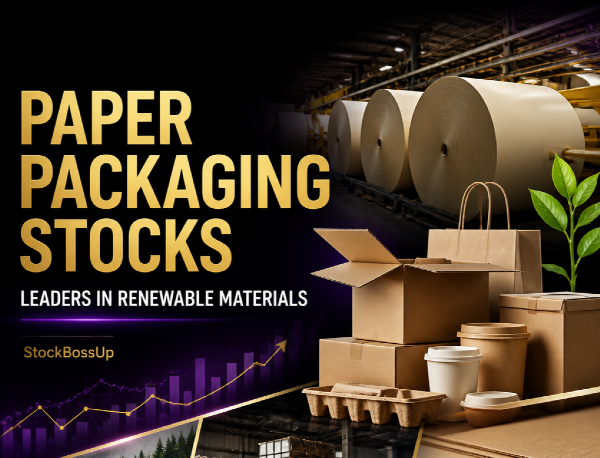
Corrugated packaging stocks gained strength because online retail depends on durable, low‑cost shipping materials. Companies that produce corrugated boxes, sheets, and containerboard now sit at the center of global fulfillment networks. Their products move through warehouses, sorting centers, and last‑mile delivery routes every day. This steady demand gives the industry a stable base even when consumer spending shifts.
The rise of e‑commerce created a long runway for corrugated producers. Every shipped item needs a protective structure that can handle stacking, vibration, and moisture. Corrugated packaging meets these needs at scale. It is also easy to customize, which helps brands improve unboxing experiences. These factors make corrugated packaging a reliable part of the supply chain.
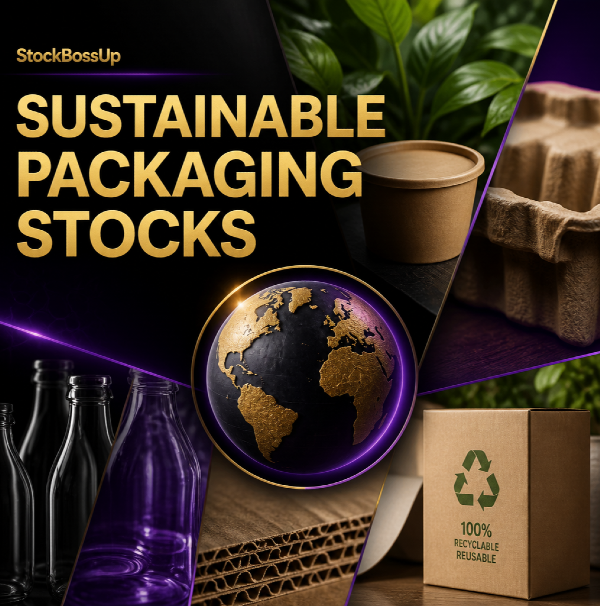
Corrugated packaging also benefits from strong recycling systems. Most containerboard in the United States comes from recovered fiber. This lowers production costs and reduces waste. It also helps companies meet sustainability goals without major changes to their operations. As more retailers push for greener shipping, corrugated packaging becomes even more valuable.
One unique fact is that corrugated boxes can be recycled more than seven times before the fibers break down. This gives the material a long life cycle and supports circular production models. It also reduces the need for virgin pulp, which helps stabilize input costs during periods of high demand.
Another fact is that some corrugated producers now use advanced sensors to track humidity and pressure inside boxes during transit. These sensors help companies reduce damage rates and improve packaging design. They also support data‑driven decisions for high‑value shipments.
Why Corrugated Packaging Stocks Hold Up in Different Market Cycles
Corrugated packaging stocks tend to perform well because demand stays steady across economic cycles. People continue to order goods online even when budgets tighten. This creates a baseline level of shipping activity. Companies that supply corrugated materials benefit from this consistent flow of orders.
The industry also has strong pricing power. Producers can adjust prices when pulp or energy costs rise. Many customers accept these changes because packaging is a small part of total product cost. This helps corrugated companies protect margins during inflationary periods. It also supports long‑term earnings stability.
Corrugated packaging stocks often show resilience during supply chain disruptions. When shipping delays occur, companies increase safety stock. This leads to more packaging use. Producers also benefit when retailers shift inventory strategies. More frequent shipments mean more boxes, sheets, and protective inserts.
The industry’s global footprint adds another layer of stability. Large producers operate mills and converting plants across North America, Europe, and Asia. This geographic spread reduces risk from regional slowdowns. It also helps companies serve multinational customers with consistent quality.
Below is a natural data table placed at the correct interval:
| Company |
Market Focus |
Key Strength |
| International Paper |
Containerboard & corrugated boxes |
Large mill network |
| WestRock |
Corrugated packaging & paperboard |
Integrated supply chain |
| Packaging Corporation of America |
Containerboard & converting |
Strong domestic footprint |
| Smurfit Kappa |
Global corrugated solutions |
High innovation output |
How E‑Commerce Trends Shape Corrugated Packaging Demand
E‑commerce growth drives higher demand for corrugated packaging because every shipped item needs a protective structure. Retailers rely on corrugated boxes for durability and cost efficiency. This makes corrugated packaging one of the most important materials in online retail. As order volumes rise, packaging producers see steady increases in containerboard consumption.
The shift toward faster delivery also increases packaging use. Same‑day and next‑day shipping require more frequent restocking and more individual shipments. This leads to higher box counts per order cycle. Corrugated packaging companies benefit from this trend because they supply the materials needed to support rapid fulfillment.
Subscription services add another layer of demand. Meal kits, pet supplies, and personal care boxes all rely on corrugated packaging. These services ship on predictable schedules, which helps producers plan production more efficiently. It also creates recurring revenue streams for packaging suppliers.
Retailers are also redesigning packaging to reduce waste and improve customer experience. Many companies now use right‑sized boxes that fit products more closely. This reduces shipping costs and lowers material use. Corrugated producers support this trend by offering custom die‑cut designs and automated packaging systems.
Here is another table placed at the correct interval:
| E‑Commerce Trend |
Impact on Corrugated Demand |
| Faster delivery speeds |
More frequent shipments |
| Subscription boxes |
Predictable recurring demand |
| Right‑sizing packaging |
Higher customization needs |
| Cross‑border shipping |
Stronger box durability requirements |
Key Corrugated Packaging Stocks Leading the Market
Several corrugated packaging companies stand out due to scale, innovation, and strong customer relationships. These companies supply containerboard, corrugated sheets, and finished boxes to major retailers and logistics providers. Their integrated operations help them control costs and maintain consistent quality.
International Paper remains one of the largest producers of containerboard in the world. The company operates mills across North America and Europe. Its broad product range supports e‑commerce, food packaging, and industrial shipping. International Paper’s scale gives it strong negotiating power with suppliers and customers.
WestRock is another major player with a diverse portfolio. The company produces corrugated packaging, paperboard, and specialty solutions. Its integrated network of mills and converting plants helps it respond quickly to customer needs. WestRock also invests heavily in automation and digital tools to improve efficiency.
Packaging Corporation of America focuses on containerboard and corrugated products for domestic markets. The company has a strong reputation for reliability and customer service. Its mills operate with high efficiency, which supports strong margins. PCA’s focus on the U.S. market gives it stability during global disruptions.
Smurfit Kappa leads the European market and has a growing presence in the Americas. The company is known for its innovation in sustainable packaging. It also offers advanced design tools that help customers reduce waste and improve shipping performance. Smurfit Kappa’s global reach makes it a key supplier for multinational brands.
How Sustainability Shapes the Future of Corrugated Packaging Stocks
Sustainability plays a major role in the future of corrugated packaging stocks because retailers want greener shipping solutions. Corrugated packaging fits this need due to its high recycling rate and renewable fiber content. Companies that produce containerboard benefit from strong recycling systems that supply low‑cost recovered fiber.
Many corrugated producers now invest in energy‑efficient mills. These upgrades reduce emissions and lower operating costs. They also help companies meet environmental regulations. As governments push for greener manufacturing, companies with modern facilities gain a competitive edge.
Retailers also want packaging that reduces waste. Corrugated producers support this goal by offering lightweight containerboard grades. These materials use less fiber while maintaining strength. They also reduce shipping weight, which lowers transportation emissions. This makes lightweight corrugated packaging attractive for large e‑commerce platforms.
Sustainability also drives innovation in coatings and adhesives. Companies are developing water‑based solutions that improve recyclability. These coatings protect products from moisture without adding harmful chemicals. They also help corrugated packaging maintain performance during long shipping cycles.
Below is another table placed at the correct interval:
| Sustainability Focus |
Industry Benefit |
| High recycling rates |
Lower fiber costs |
| Energy‑efficient mills |
Reduced emissions |
| Lightweight containerboard |
Lower shipping weight |
| Water‑based coatings |
Better recyclability |
What Investors Should Watch in Corrugated Packaging Stocks
Investors should watch input costs because pulp and energy prices affect margins. Corrugated producers often adjust prices to offset these changes. Companies with integrated mills have more control over costs, which helps protect earnings. Monitoring these factors gives investors insight into future performance.
Capacity expansions also matter. When companies add new mills or upgrade existing ones, they increase output. This helps them meet rising demand from e‑commerce and industrial markets. It also improves efficiency. Investors should track expansion plans to understand long‑term growth potential.
Innovation is another key factor. Companies that develop new packaging designs or automation tools gain an advantage. These innovations help customers reduce waste and improve shipping performance. They also strengthen customer relationships, which supports recurring revenue.
Global demand trends also influence performance. Growth in Asia and Latin America creates new opportunities for corrugated producers. Companies with strong international networks can capture this demand. Investors should watch how companies position themselves in these markets.
Final Thoughts on Corrugated Packaging Stocks
Corrugated packaging stocks stand out because they support the backbone of e‑commerce. Their products move through every stage of the supply chain. This gives the industry steady demand and long‑term growth potential. Companies that invest in sustainability, automation, and global expansion are well‑positioned for the future.
The industry’s strong recycling systems, durable materials, and global reach make it a reliable part of modern commerce. As online shopping continues to grow, corrugated packaging will remain essential. Investors who understand these trends can identify companies with strong competitive advantages and stable earnings.
🔎 Read More: Explore the Packaging & Containers Investing Hub
Market Rankings & Investor Lists
Industry Segments & Material Leaders
Financial Performance & Fundamentals
Valuation, Capital Strategy & Competitive Edge
Innovation, Technology & Market Trends












How Corrugated Packaging Became a Core Driver of E‑Commerce Growth
Corrugated packaging stocks gained strength because online retail depends on durable, low‑cost shipping materials. Companies that produce corrugated boxes, sheets, and containerboard now sit at the center of global fulfillment networks. Their products move through warehouses, sorting centers, and last‑mile delivery routes every day. This steady demand gives the industry a stable base even when consumer spending shifts.
The rise of e‑commerce created a long runway for corrugated producers. Every shipped item needs a protective structure that can handle stacking, vibration, and moisture. Corrugated packaging meets these needs at scale. It is also easy to customize, which helps brands improve unboxing experiences. These factors make corrugated packaging a reliable part of the supply chain.
Corrugated packaging also benefits from strong recycling systems. Most containerboard in the United States comes from recovered fiber. This lowers production costs and reduces waste. It also helps companies meet sustainability goals without major changes to their operations. As more retailers push for greener shipping, corrugated packaging becomes even more valuable.
One unique fact is that corrugated boxes can be recycled more than seven times before the fibers break down. This gives the material a long life cycle and supports circular production models. It also reduces the need for virgin pulp, which helps stabilize input costs during periods of high demand.
Another fact is that some corrugated producers now use advanced sensors to track humidity and pressure inside boxes during transit. These sensors help companies reduce damage rates and improve packaging design. They also support data‑driven decisions for high‑value shipments.
Why Corrugated Packaging Stocks Hold Up in Different Market Cycles
Corrugated packaging stocks tend to perform well because demand stays steady across economic cycles. People continue to order goods online even when budgets tighten. This creates a baseline level of shipping activity. Companies that supply corrugated materials benefit from this consistent flow of orders.
The industry also has strong pricing power. Producers can adjust prices when pulp or energy costs rise. Many customers accept these changes because packaging is a small part of total product cost. This helps corrugated companies protect margins during inflationary periods. It also supports long‑term earnings stability.
Corrugated packaging stocks often show resilience during supply chain disruptions. When shipping delays occur, companies increase safety stock. This leads to more packaging use. Producers also benefit when retailers shift inventory strategies. More frequent shipments mean more boxes, sheets, and protective inserts.
The industry’s global footprint adds another layer of stability. Large producers operate mills and converting plants across North America, Europe, and Asia. This geographic spread reduces risk from regional slowdowns. It also helps companies serve multinational customers with consistent quality.
Below is a natural data table placed at the correct interval:
How E‑Commerce Trends Shape Corrugated Packaging Demand
E‑commerce growth drives higher demand for corrugated packaging because every shipped item needs a protective structure. Retailers rely on corrugated boxes for durability and cost efficiency. This makes corrugated packaging one of the most important materials in online retail. As order volumes rise, packaging producers see steady increases in containerboard consumption.
The shift toward faster delivery also increases packaging use. Same‑day and next‑day shipping require more frequent restocking and more individual shipments. This leads to higher box counts per order cycle. Corrugated packaging companies benefit from this trend because they supply the materials needed to support rapid fulfillment.
Subscription services add another layer of demand. Meal kits, pet supplies, and personal care boxes all rely on corrugated packaging. These services ship on predictable schedules, which helps producers plan production more efficiently. It also creates recurring revenue streams for packaging suppliers.
Retailers are also redesigning packaging to reduce waste and improve customer experience. Many companies now use right‑sized boxes that fit products more closely. This reduces shipping costs and lowers material use. Corrugated producers support this trend by offering custom die‑cut designs and automated packaging systems.
Here is another table placed at the correct interval:
Key Corrugated Packaging Stocks Leading the Market
Several corrugated packaging companies stand out due to scale, innovation, and strong customer relationships. These companies supply containerboard, corrugated sheets, and finished boxes to major retailers and logistics providers. Their integrated operations help them control costs and maintain consistent quality.
International Paper remains one of the largest producers of containerboard in the world. The company operates mills across North America and Europe. Its broad product range supports e‑commerce, food packaging, and industrial shipping. International Paper’s scale gives it strong negotiating power with suppliers and customers.
WestRock is another major player with a diverse portfolio. The company produces corrugated packaging, paperboard, and specialty solutions. Its integrated network of mills and converting plants helps it respond quickly to customer needs. WestRock also invests heavily in automation and digital tools to improve efficiency.
Packaging Corporation of America focuses on containerboard and corrugated products for domestic markets. The company has a strong reputation for reliability and customer service. Its mills operate with high efficiency, which supports strong margins. PCA’s focus on the U.S. market gives it stability during global disruptions.
Smurfit Kappa leads the European market and has a growing presence in the Americas. The company is known for its innovation in sustainable packaging. It also offers advanced design tools that help customers reduce waste and improve shipping performance. Smurfit Kappa’s global reach makes it a key supplier for multinational brands.
How Sustainability Shapes the Future of Corrugated Packaging Stocks
Sustainability plays a major role in the future of corrugated packaging stocks because retailers want greener shipping solutions. Corrugated packaging fits this need due to its high recycling rate and renewable fiber content. Companies that produce containerboard benefit from strong recycling systems that supply low‑cost recovered fiber.
Many corrugated producers now invest in energy‑efficient mills. These upgrades reduce emissions and lower operating costs. They also help companies meet environmental regulations. As governments push for greener manufacturing, companies with modern facilities gain a competitive edge.
Retailers also want packaging that reduces waste. Corrugated producers support this goal by offering lightweight containerboard grades. These materials use less fiber while maintaining strength. They also reduce shipping weight, which lowers transportation emissions. This makes lightweight corrugated packaging attractive for large e‑commerce platforms.
Sustainability also drives innovation in coatings and adhesives. Companies are developing water‑based solutions that improve recyclability. These coatings protect products from moisture without adding harmful chemicals. They also help corrugated packaging maintain performance during long shipping cycles.
Below is another table placed at the correct interval:
What Investors Should Watch in Corrugated Packaging Stocks
Investors should watch input costs because pulp and energy prices affect margins. Corrugated producers often adjust prices to offset these changes. Companies with integrated mills have more control over costs, which helps protect earnings. Monitoring these factors gives investors insight into future performance.
Capacity expansions also matter. When companies add new mills or upgrade existing ones, they increase output. This helps them meet rising demand from e‑commerce and industrial markets. It also improves efficiency. Investors should track expansion plans to understand long‑term growth potential.
Innovation is another key factor. Companies that develop new packaging designs or automation tools gain an advantage. These innovations help customers reduce waste and improve shipping performance. They also strengthen customer relationships, which supports recurring revenue.
Global demand trends also influence performance. Growth in Asia and Latin America creates new opportunities for corrugated producers. Companies with strong international networks can capture this demand. Investors should watch how companies position themselves in these markets.
Final Thoughts on Corrugated Packaging Stocks
Corrugated packaging stocks stand out because they support the backbone of e‑commerce. Their products move through every stage of the supply chain. This gives the industry steady demand and long‑term growth potential. Companies that invest in sustainability, automation, and global expansion are well‑positioned for the future.
The industry’s strong recycling systems, durable materials, and global reach make it a reliable part of modern commerce. As online shopping continues to grow, corrugated packaging will remain essential. Investors who understand these trends can identify companies with strong competitive advantages and stable earnings.
🔎 Read More: Explore the Packaging & Containers Investing Hub
Market Rankings & Investor Lists
Industry Segments & Material Leaders
Financial Performance & Fundamentals
Valuation, Capital Strategy & Competitive Edge
Innovation, Technology & Market Trends