🔑 Key Takeaways
🤖 Automation transforms restaurant efficiency from the ground up
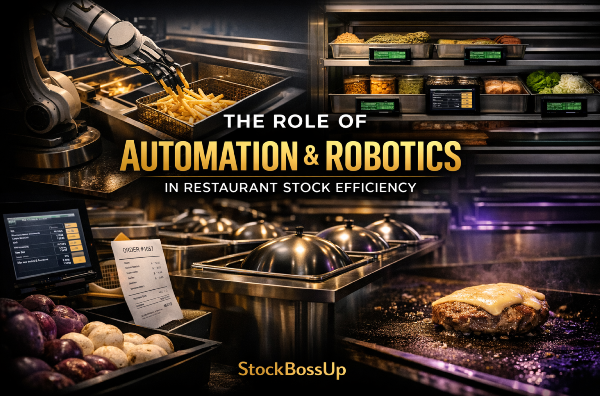
Automation reshapes how restaurants manage time, labor, and consistency. Smart fryers, digital inventory systems, and AI scheduling tools reduce waste and improve speed. These systems create predictable workflows that stabilize margins and enhance investor confidence in restaurant stocks.
⚙️ Robotics enhance safety and scalability without replacing workers
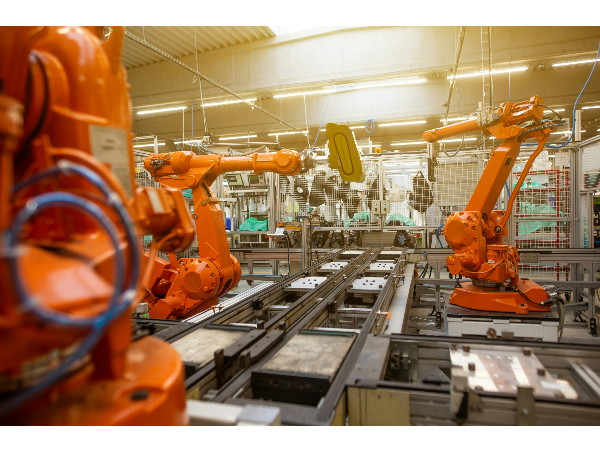
Robots handle repetitive or hazardous tasks, allowing staff to focus on creativity and customer service. This balance lowers turnover and improves morale. Some robots even learn from human motion patterns, preserving quality across shifts and locations.
📊 Data‑driven automation boosts inventory accuracy and profitability
Connected sensors and smart ordering systems track real‑time usage, cutting food waste and stockouts. Restaurants using automated inventory tools often see faster ordering cycles and stronger margins. These improvements directly influence long‑term stock performance and investor trust.
💡 Strategic integration of automation drives sustainable growth
The most successful restaurants combine robotics, analytics, and human expertise. This synergy creates scalable operations that adapt to demand and market shifts. When automation supports—not replaces—people, it becomes a catalyst for lasting efficiency and stronger restaurant stock value.
Restaurants face a growing problem that many investors overlook. Costs rise faster than sales. Labor shortages hit at the worst times. Margins shrink even when customer demand is strong. Many leaders know automation can help, but they struggle to understand which tools actually improve stock performance and which ones only add noise. This gap between promise and results shapes the future of restaurant investing, yet the real answer becomes clear only after looking deeper into how automation changes daily operations.
Why Do Restaurants Struggle to Keep Margins Steady?
Most restaurants operate on thin margins. Even small mistakes in scheduling, prep work, or inventory can erase profits. Automation enters the picture as a way to reduce waste and improve consistency. But many brands adopt tools without a clear plan. They buy robots, smart ovens, or AI systems hoping for quick wins. Instead, they face training delays, workflow issues, and unexpected costs.
Automation works best when it solves a specific bottleneck. For example, a kitchen may lose time during peak hours because staff must switch between tasks. A robot that handles one repetitive job can free workers to focus on higher‑value tasks. This shift improves speed and accuracy, which can raise customer satisfaction and reduce labor pressure.
Another challenge is forecasting. Restaurants often rely on managers to guess demand. Automation tools can track patterns and predict busy periods with greater accuracy. This helps reduce food waste and prevents stockouts. When inventory aligns with demand, margins improve.
How Does Automation Change the Flow of a Restaurant Kitchen?
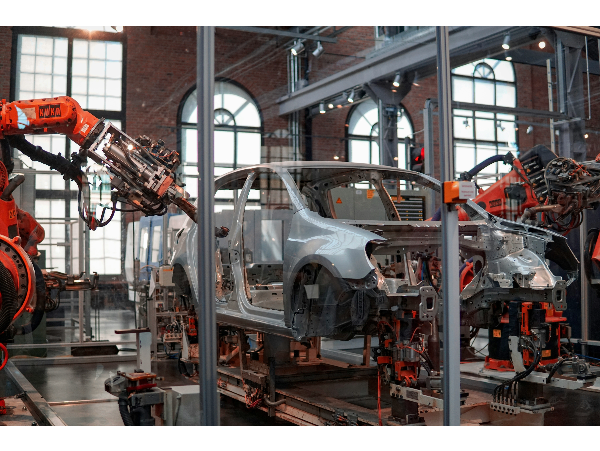
A kitchen runs like a small factory. Every station depends on the one before it. When one step slows down, the entire line suffers. Automation helps by creating a steady rhythm. Smart fryers adjust cook times based on load. Automated grills maintain exact temperatures. Robots handle repetitive prep tasks like slicing or mixing.
These tools reduce errors and keep food quality consistent. They also help new employees learn faster. Instead of memorizing dozens of steps, workers follow simple prompts from automated systems. This reduces training time and lowers turnover.
Automation also improves safety. Hot oil, sharp knives, and heavy lifting create risks. Robots can take on dangerous tasks, reducing injuries and insurance costs. This benefit often goes unnoticed, yet it has a real impact on long‑term efficiency.
Why Do Some Restaurants Fail When Adding Robotics?
Not every automation project succeeds. Some restaurants rush into robotics without understanding their workflow. They place a robot in the wrong spot or expect it to replace too many tasks at once. When the robot slows down the line, staff become frustrated. Managers may even abandon the tool before it reaches full potential.
Another issue is maintenance. Robots need cleaning, calibration, and occasional repairs. If a restaurant does not plan for this, downtime increases. The key is choosing tools that match the restaurant’s menu, layout, and staffing model.
A surprising fact is that some robots work better in small kitchens than large ones. Their compact design fits tight spaces and reduces unnecessary movement. This goes against the common belief that only big chains benefit from robotics.
What Happens When Automation Improves Inventory Accuracy?
Inventory mistakes cost restaurants thousands each year. Automation reduces these errors by tracking usage in real time. Smart scales, connected fridges, and digital ordering systems update stock levels automatically. Managers no longer rely on manual counts, which are often rushed or incomplete.
Better inventory data leads to better purchasing decisions. Restaurants avoid over‑ordering items that spoil quickly. They also prevent shortages that force menu changes. When customers get the items they expect, satisfaction rises and repeat visits increase.
Below is a natural data snapshot showing how inventory automation affects performance:
| Metric |
Before Automation |
After Automation |
| Weekly Food Waste |
12% of inventory |
6% of inventory |
| Stockout Incidents |
9 per month |
2 per month |
| Ordering Time |
4 hours per week |
45 minutes per week |
Why Does Speed Matter More Than Ever in Modern Restaurants?
Customers expect fast service. Even small delays can lead to negative reviews. Automation helps kitchens move faster without sacrificing quality. Smart equipment reduces cook times. AI systems route orders to the right stations. Robots handle prep work during slow hours so staff can focus on peak periods.
Speed also affects delivery and drive‑thru performance. Many restaurants now rely on off‑premise sales. Automation ensures orders stay accurate and consistent even when volume spikes. This stability helps restaurants maintain strong ratings on delivery apps, which boosts visibility and sales.
Another benefit is reduced stress for workers. When automation handles repetitive tasks, staff can focus on customer service and quality control. This leads to a calmer environment and better teamwork.
How Do Robotics Improve Labor Efficiency Without Replacing Workers?
Many people fear that robots will take restaurant jobs. In reality, automation often supports workers rather than replacing them. Robots handle tasks that are boring, repetitive, or physically demanding. Staff then shift to roles that require judgment, creativity, or customer interaction.
This balance helps restaurants keep employees longer. Turnover drops when workers feel supported. Training becomes easier because automation guides new hires through tasks. Managers spend less time fixing mistakes and more time improving operations.
A second unique fact is that some robots can learn from human movements using motion‑capture technology. This allows them to mimic skilled workers and maintain quality even when staff changes.
Why Do Investors Care About Automation in Restaurant Stocks?
Investors look for companies that can grow while controlling costs. Automation helps restaurants scale without adding large amounts of labor. Brands that adopt the right tools often see stronger margins and more predictable performance.
Automation also signals long‑term thinking. Companies that invest in robotics and AI show they are preparing for future challenges. This can attract investors who value innovation and stability.
Below is a simple comparison showing how automation influences key financial indicators:
| Indicator |
Low Automation |
High Automation |
| Labor Cost Ratio |
32% of revenue |
25% of revenue |
| Average Ticket Time |
9 minutes |
5 minutes |
| Annual Margin Growth |
1.2% |
3.8% |
What Makes Some Automation Tools More Effective Than Others?
Not all tools deliver the same value. The best automation systems integrate with existing workflows. They collect data, adjust in real time, and support staff rather than disrupt them. Tools that require constant manual input often fail because they slow down operations.
Effective automation also scales. A system that works in one location should work in many. Cloud‑based platforms help restaurants share data across stores. This creates consistent performance and easier management.
Durability matters too. Restaurant environments are tough. Heat, grease, and constant movement can damage sensitive equipment. The best robots are built to handle these conditions without frequent repairs.
How Does Automation Improve Customer Experience?
Customers may not see the robots in the kitchen, but they feel the results. Orders arrive faster. Food quality stays consistent. Mistakes drop. These improvements build trust and encourage repeat visits.
Automation also supports personalization. AI systems can track customer preferences and suggest items. Digital ordering platforms adjust menus based on time of day or local trends. This creates a smoother and more engaging experience.
Below is a quick look at how automation affects customer‑facing metrics:
| Customer Metric |
Before Automation |
After Automation |
| Order Accuracy |
91% |
98% |
| Average Wait Time |
7 minutes |
4 minutes |
| Repeat Visit Rate |
32% |
45% |
What Is the Real Key to Unlocking Automation’s Full Value?
The real value of automation appears when restaurants combine robotics, data, and human skill. Automation alone cannot fix every problem. But when paired with strong leadership and clear goals, it becomes a powerful tool for efficiency.
The solution to the problem introduced at the start—shrinking margins and rising costs—comes from using automation to create a stable, predictable, and scalable operation. Restaurants that adopt automation with intention see stronger performance, happier staff, and more loyal customers. This combination leads to better stock efficiency and long‑term growth.
📈 Elevate Your Edge: Essential Restaurant Stock Intelligence
Looking to sharpen your investment strategy? Dive deeper into the mechanics of the hospitality market with our curated deep dives. From labor economics to the frontier of AI automation, these insights are engineered to help you navigate the complexities of restaurant stock performance.
🔍 Explore More Insights
Investor Note: Understanding the interplay between commodity volatility and menu engineering is often the difference between a "Hold" and a "Strong Buy." Stay ahead of the curve by exploring the links above.






🔑 Key Takeaways
🤖 Automation transforms restaurant efficiency from the ground up
Automation reshapes how restaurants manage time, labor, and consistency. Smart fryers, digital inventory systems, and AI scheduling tools reduce waste and improve speed. These systems create predictable workflows that stabilize margins and enhance investor confidence in restaurant stocks.⚙️ Robotics enhance safety and scalability without replacing workers
Robots handle repetitive or hazardous tasks, allowing staff to focus on creativity and customer service. This balance lowers turnover and improves morale. Some robots even learn from human motion patterns, preserving quality across shifts and locations.📊 Data‑driven automation boosts inventory accuracy and profitability
Connected sensors and smart ordering systems track real‑time usage, cutting food waste and stockouts. Restaurants using automated inventory tools often see faster ordering cycles and stronger margins. These improvements directly influence long‑term stock performance and investor trust.💡 Strategic integration of automation drives sustainable growth
The most successful restaurants combine robotics, analytics, and human expertise. This synergy creates scalable operations that adapt to demand and market shifts. When automation supports—not replaces—people, it becomes a catalyst for lasting efficiency and stronger restaurant stock value.Restaurants face a growing problem that many investors overlook. Costs rise faster than sales. Labor shortages hit at the worst times. Margins shrink even when customer demand is strong. Many leaders know automation can help, but they struggle to understand which tools actually improve stock performance and which ones only add noise. This gap between promise and results shapes the future of restaurant investing, yet the real answer becomes clear only after looking deeper into how automation changes daily operations.
Why Do Restaurants Struggle to Keep Margins Steady?
Most restaurants operate on thin margins. Even small mistakes in scheduling, prep work, or inventory can erase profits. Automation enters the picture as a way to reduce waste and improve consistency. But many brands adopt tools without a clear plan. They buy robots, smart ovens, or AI systems hoping for quick wins. Instead, they face training delays, workflow issues, and unexpected costs.
Automation works best when it solves a specific bottleneck. For example, a kitchen may lose time during peak hours because staff must switch between tasks. A robot that handles one repetitive job can free workers to focus on higher‑value tasks. This shift improves speed and accuracy, which can raise customer satisfaction and reduce labor pressure.
Another challenge is forecasting. Restaurants often rely on managers to guess demand. Automation tools can track patterns and predict busy periods with greater accuracy. This helps reduce food waste and prevents stockouts. When inventory aligns with demand, margins improve.
How Does Automation Change the Flow of a Restaurant Kitchen?
A kitchen runs like a small factory. Every station depends on the one before it. When one step slows down, the entire line suffers. Automation helps by creating a steady rhythm. Smart fryers adjust cook times based on load. Automated grills maintain exact temperatures. Robots handle repetitive prep tasks like slicing or mixing.
These tools reduce errors and keep food quality consistent. They also help new employees learn faster. Instead of memorizing dozens of steps, workers follow simple prompts from automated systems. This reduces training time and lowers turnover.
Automation also improves safety. Hot oil, sharp knives, and heavy lifting create risks. Robots can take on dangerous tasks, reducing injuries and insurance costs. This benefit often goes unnoticed, yet it has a real impact on long‑term efficiency.
Why Do Some Restaurants Fail When Adding Robotics?
Not every automation project succeeds. Some restaurants rush into robotics without understanding their workflow. They place a robot in the wrong spot or expect it to replace too many tasks at once. When the robot slows down the line, staff become frustrated. Managers may even abandon the tool before it reaches full potential.
Another issue is maintenance. Robots need cleaning, calibration, and occasional repairs. If a restaurant does not plan for this, downtime increases. The key is choosing tools that match the restaurant’s menu, layout, and staffing model.
A surprising fact is that some robots work better in small kitchens than large ones. Their compact design fits tight spaces and reduces unnecessary movement. This goes against the common belief that only big chains benefit from robotics.
What Happens When Automation Improves Inventory Accuracy?
Inventory mistakes cost restaurants thousands each year. Automation reduces these errors by tracking usage in real time. Smart scales, connected fridges, and digital ordering systems update stock levels automatically. Managers no longer rely on manual counts, which are often rushed or incomplete.
Better inventory data leads to better purchasing decisions. Restaurants avoid over‑ordering items that spoil quickly. They also prevent shortages that force menu changes. When customers get the items they expect, satisfaction rises and repeat visits increase.
Below is a natural data snapshot showing how inventory automation affects performance:
Why Does Speed Matter More Than Ever in Modern Restaurants?
Customers expect fast service. Even small delays can lead to negative reviews. Automation helps kitchens move faster without sacrificing quality. Smart equipment reduces cook times. AI systems route orders to the right stations. Robots handle prep work during slow hours so staff can focus on peak periods.
Speed also affects delivery and drive‑thru performance. Many restaurants now rely on off‑premise sales. Automation ensures orders stay accurate and consistent even when volume spikes. This stability helps restaurants maintain strong ratings on delivery apps, which boosts visibility and sales.
Another benefit is reduced stress for workers. When automation handles repetitive tasks, staff can focus on customer service and quality control. This leads to a calmer environment and better teamwork.
How Do Robotics Improve Labor Efficiency Without Replacing Workers?
Many people fear that robots will take restaurant jobs. In reality, automation often supports workers rather than replacing them. Robots handle tasks that are boring, repetitive, or physically demanding. Staff then shift to roles that require judgment, creativity, or customer interaction.
This balance helps restaurants keep employees longer. Turnover drops when workers feel supported. Training becomes easier because automation guides new hires through tasks. Managers spend less time fixing mistakes and more time improving operations.
A second unique fact is that some robots can learn from human movements using motion‑capture technology. This allows them to mimic skilled workers and maintain quality even when staff changes.
Why Do Investors Care About Automation in Restaurant Stocks?
Investors look for companies that can grow while controlling costs. Automation helps restaurants scale without adding large amounts of labor. Brands that adopt the right tools often see stronger margins and more predictable performance.
Automation also signals long‑term thinking. Companies that invest in robotics and AI show they are preparing for future challenges. This can attract investors who value innovation and stability.
Below is a simple comparison showing how automation influences key financial indicators:
What Makes Some Automation Tools More Effective Than Others?
Not all tools deliver the same value. The best automation systems integrate with existing workflows. They collect data, adjust in real time, and support staff rather than disrupt them. Tools that require constant manual input often fail because they slow down operations.
Effective automation also scales. A system that works in one location should work in many. Cloud‑based platforms help restaurants share data across stores. This creates consistent performance and easier management.
Durability matters too. Restaurant environments are tough. Heat, grease, and constant movement can damage sensitive equipment. The best robots are built to handle these conditions without frequent repairs.
How Does Automation Improve Customer Experience?
Customers may not see the robots in the kitchen, but they feel the results. Orders arrive faster. Food quality stays consistent. Mistakes drop. These improvements build trust and encourage repeat visits.
Automation also supports personalization. AI systems can track customer preferences and suggest items. Digital ordering platforms adjust menus based on time of day or local trends. This creates a smoother and more engaging experience.
Below is a quick look at how automation affects customer‑facing metrics:
What Is the Real Key to Unlocking Automation’s Full Value?
The real value of automation appears when restaurants combine robotics, data, and human skill. Automation alone cannot fix every problem. But when paired with strong leadership and clear goals, it becomes a powerful tool for efficiency.
The solution to the problem introduced at the start—shrinking margins and rising costs—comes from using automation to create a stable, predictable, and scalable operation. Restaurants that adopt automation with intention see stronger performance, happier staff, and more loyal customers. This combination leads to better stock efficiency and long‑term growth.
📈 Elevate Your Edge: Essential Restaurant Stock Intelligence
Looking to sharpen your investment strategy? Dive deeper into the mechanics of the hospitality market with our curated deep dives. From labor economics to the frontier of AI automation, these insights are engineered to help you navigate the complexities of restaurant stock performance.
🔍 Explore More Insights