🔑 Key Takeaways: Future of Global Auto Sales
🌐 Global auto sales are shifting from dealership-first models to digital and direct-to-consumer sales channels
Car buying is rapidly moving online as buyers research, compare, and sometimes complete purchases digitally. Automakers are expanding direct sales models, reducing dealership control and making the purchase process faster and more transparent across global markets.
🚗 Electric vehicles and regional supply chains are reshaping global demand and pricing strategies
EV adoption varies by region, creating uneven global demand patterns. At the same time, supply chains are shifting toward regional and local production, which affects delivery speed, inventory control, and regional pricing differences for the same vehicles.
💰 Pricing is becoming more dynamic, data-driven, and dependent on regional market conditions
Auto pricing is no longer uniform across markets. Manufacturers now adjust prices based on currency shifts, demand levels, and regional factors. Some companies are even testing real-time pricing strategies to optimize sales and inventory efficiency.
📊 Data, digital retail systems, and buyer transparency are increasing competition in global auto sales
Automakers now rely heavily on real-time data to forecast demand, manage inventory, and guide production. At the same time, buyers have more access to pricing and comparison tools, forcing companies to compete on clarity, value, and convenience rather than brand alone.
The Future of Auto Manufacturing Jobs
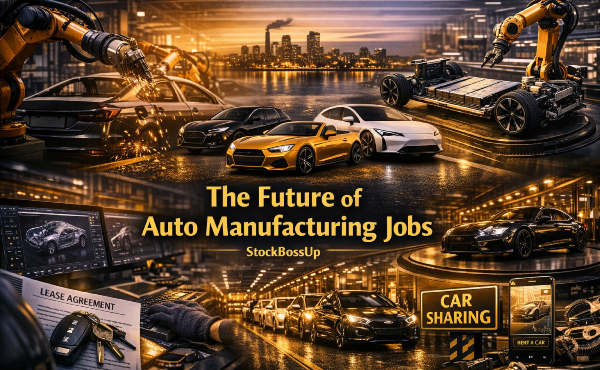
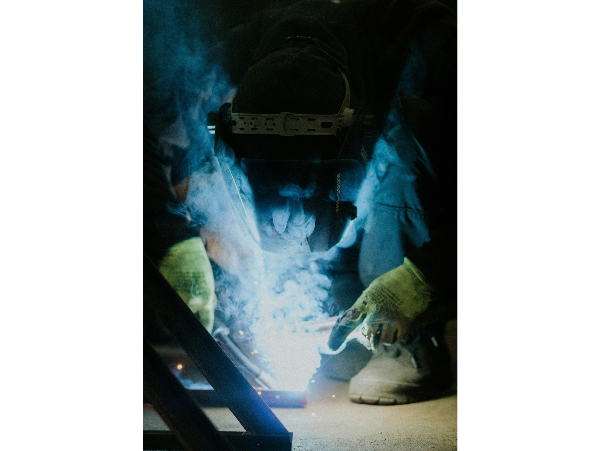
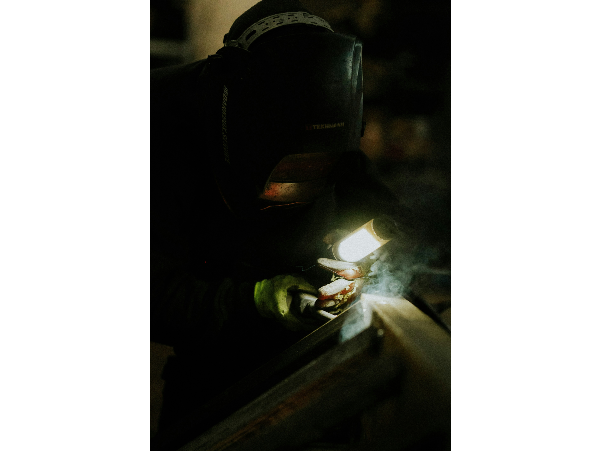
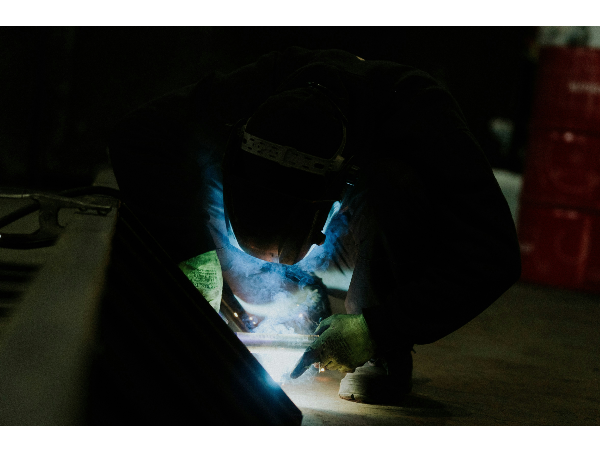
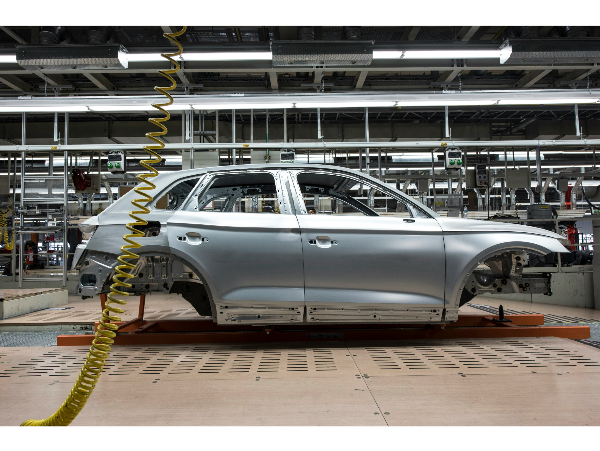
Auto manufacturing jobs are entering a period of major change. Factories are no longer just assembly lines filled with mechanical work. They are becoming highly automated, software-driven environments. Robots now weld, paint, and assemble vehicles with precision. Humans are still needed, but their roles are shifting fast.
At the same time, the industry is under pressure from electric vehicles, global competition, and supply chain disruptions. Workers are asking a simple question. What will these jobs look like in 10 or 20 years, and who will still have a place in the factory?
The challenge is clear. Jobs are changing faster than most training systems can keep up. The answer is not obvious yet, and that is where the real tension begins.
Why Are Traditional Auto Jobs Disappearing?
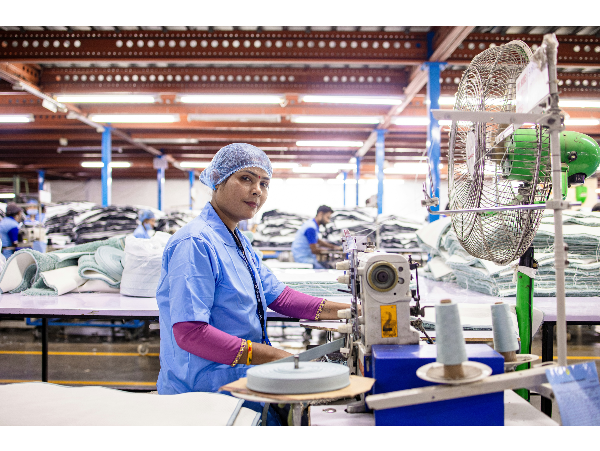
For decades, auto manufacturing relied on large teams of assembly workers. These jobs focused on repetition. Workers installed parts, tightened bolts, and managed mechanical systems.
Today, many of those tasks are handled by machines. Robotics has replaced a large portion of repetitive labor. Software systems now control precision tasks that once required human hands.
This does not mean jobs are disappearing completely. It means they are changing shape. Fewer workers are needed for assembly, but more are needed for programming, maintenance, and system monitoring.
Automation is not new, but its speed is increasing. Modern factories can operate with far fewer people than before, especially in final assembly stages.
Why Is Electric Vehicle Production Changing Everything?
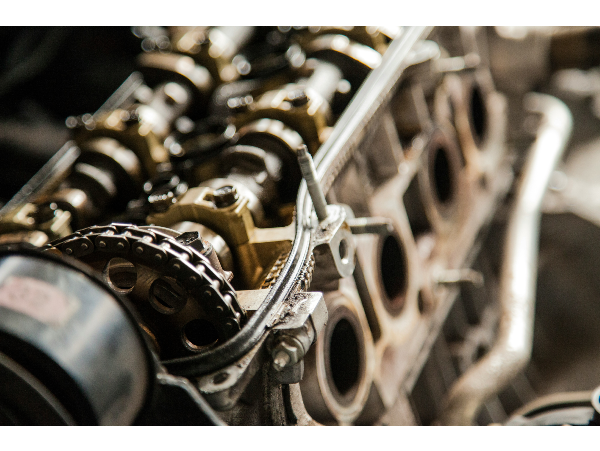
Electric vehicles (EVs) are simpler in mechanical design but more complex in software. They do not need engines, transmissions, or exhaust systems. This reduces some traditional manufacturing roles.
However, EVs introduce new technical demands. Battery systems require careful handling. High-voltage components require specialized training. Software integration plays a much larger role than before.
This shift creates a different kind of factory worker. Instead of mechanical assembly, workers now focus on electronics, diagnostics, and digital systems.
A lesser-known shift is that some EV factories are now designed without traditional conveyor belts. Entire sections rely on autonomous transport robots that move vehicles between stations without fixed paths.
Why Are Robots Becoming the New Workforce?
Robots are becoming more common in auto manufacturing because they reduce cost and improve consistency. They do not get tired. They do not slow down. They also reduce errors in repetitive tasks.
However, robots are not replacing humans entirely. They are working alongside them in hybrid environments.
Humans are increasingly responsible for:
- Monitoring robot systems
- Troubleshooting errors
- Managing software updates
- Handling complex assembly steps
This creates a new job category often called “automation support roles.”
| Job Type |
Traditional Role |
Modern Equivalent Role |
| Assembly line worker |
Manual part installation |
Robot-assisted supervision |
| Mechanical technician |
Engine repair |
EV system diagnostics |
| Quality inspector |
Visual inspection |
Sensor-based validation |
| Factory supervisor |
Workflow management |
Data and system oversight |
Why Are Auto Workers Required to Learn Software Skills?
Modern factories depend heavily on software. Machines are controlled by digital systems. Even basic tools now require coding or system knowledge.
This means auto workers are becoming hybrid workers. They must understand both mechanical systems and digital platforms.
Training programs are shifting toward:
- Basic coding skills
- Data interpretation
- Machine diagnostics
- Robotics operation
Workers who adapt quickly tend to move into higher-paying roles. Those who do not may struggle to keep up with the pace of change.
A surprising shift in the industry is that some factories now use virtual reality training before workers ever step onto the production floor. This reduces onboarding time and improves safety.
Why Are Supply Chains Reshaping Factory Jobs?
Auto manufacturing depends on global supply chains. Parts come from multiple countries. Any disruption affects production.
Recent years have shown how fragile these systems can be. Semiconductor shortages slowed production worldwide. This forced factories to rethink how they operate.
To reduce risk, companies are bringing some production closer to home. This is called reshoring or nearshoring.
It changes job distribution. Instead of one large factory, companies may build smaller regional facilities. This creates more localized jobs but fewer large centralized plants.
| Supply Chain Model |
Job Impact |
Risk Level |
| Global sourcing |
High volume, centralized |
High |
| Regional sourcing |
Moderate, distributed |
Medium |
| Local production |
Lower volume, stable jobs |
Low |
Why Are New Manufacturing Jobs More Technical?
The average auto manufacturing job is becoming more technical than physical. Instead of lifting parts, workers analyze systems.
New roles include:
- Battery safety specialists
- Robotics technicians
- Software calibration engineers
- Data monitoring analysts
These roles require training beyond high school level in many cases. Community colleges and trade schools are adapting quickly to meet demand.
Another change is that some factories now use AI systems to predict equipment failure before it happens. This reduces downtime but requires skilled workers to interpret alerts and respond correctly.
Why Are Workers Concerned About Job Stability?
Job stability is a major concern in the auto industry. Workers fear that automation may reduce long-term employment opportunities.
There is also uncertainty about retraining. Not all workers have access to advanced technical education.
Younger workers may adapt more easily, but older workers often face a steeper learning curve.
| Concern Area |
Worker Impact |
| Automation growth |
Reduced manual roles |
| Skill requirements |
Higher training demand |
| Job relocation |
Factory restructuring |
| Wage differences |
Shift toward technical pay |
Why Are Factories Becoming More Digital Than Physical?
Modern factories are increasingly controlled by digital systems. Production lines are monitored in real time through sensors and software dashboards.
This allows managers to track efficiency, predict issues, and adjust workflows instantly.
In some facilities, physical control rooms have been replaced by cloud-based systems that can be accessed remotely. Managers no longer need to be on-site to oversee production.
This digital shift reduces some roles but creates new ones in data management and cybersecurity.
A unique fact in the industry is that some advanced factories now run “digital twins” of their entire production lines. These virtual replicas simulate operations in real time to test changes before they are applied physically.
Why Are Union and Labor Models Changing?
Labor unions are adapting to new job structures. Traditional agreements focused on hours and physical labor. Now, skill-based pay is becoming more common.
Workers with technical certifications often earn significantly more than entry-level positions.
Unions are also negotiating for retraining programs. These programs help workers transition into new roles instead of being displaced.
This creates a more flexible labor system, but also adds complexity to negotiations.
Why Are Some Jobs Actually Increasing?
Despite automation, some jobs are growing. These include roles that require judgment, problem-solving, and system oversight.
Examples include:
- EV battery engineers
- Robotics maintenance teams
- Software integration specialists
- Supply chain analysts
These roles are less about physical labor and more about managing systems.
| Job Category |
Growth Outlook |
Skill Level Required |
| Manual assembly |
Declining |
Low |
| Robot maintenance |
Growing |
Medium |
| Software systems |
Growing rapidly |
High |
| Quality control AI |
Growing |
Medium-High |
Why Is Training the Biggest Bottleneck?
The biggest challenge in the industry is not technology. It is training speed.
Factories are evolving faster than workers can be retrained. This creates a gap between available jobs and qualified workers.
Companies are investing heavily in training centers. These programs focus on hands-on learning with real equipment and simulations.
However, scaling these programs remains difficult.
What Will the Future of Auto Manufacturing Jobs Look Like?
The future of auto manufacturing jobs will not be defined by disappearance. It will be defined by transformation.
Some jobs will be replaced. Others will evolve. Many new roles will emerge that did not exist a decade ago.
The most important shift is the move from physical labor to technical oversight. Workers will spend less time building cars with their hands and more time managing systems that build cars automatically.
The solution to the current challenge is not resisting automation. It is preparing workers for it. That means better training, stronger education systems, and clearer career paths.
The auto industry is not removing human workers. It is redefining what human work means inside the factory.





🔑 Key Takeaways: Future of Global Auto Sales
🌐 Global auto sales are shifting from dealership-first models to digital and direct-to-consumer sales channels
Car buying is rapidly moving online as buyers research, compare, and sometimes complete purchases digitally. Automakers are expanding direct sales models, reducing dealership control and making the purchase process faster and more transparent across global markets.
🚗 Electric vehicles and regional supply chains are reshaping global demand and pricing strategies
EV adoption varies by region, creating uneven global demand patterns. At the same time, supply chains are shifting toward regional and local production, which affects delivery speed, inventory control, and regional pricing differences for the same vehicles.
💰 Pricing is becoming more dynamic, data-driven, and dependent on regional market conditions
Auto pricing is no longer uniform across markets. Manufacturers now adjust prices based on currency shifts, demand levels, and regional factors. Some companies are even testing real-time pricing strategies to optimize sales and inventory efficiency.
📊 Data, digital retail systems, and buyer transparency are increasing competition in global auto sales
Automakers now rely heavily on real-time data to forecast demand, manage inventory, and guide production. At the same time, buyers have more access to pricing and comparison tools, forcing companies to compete on clarity, value, and convenience rather than brand alone.
The Future of Auto Manufacturing Jobs
Auto manufacturing jobs are entering a period of major change. Factories are no longer just assembly lines filled with mechanical work. They are becoming highly automated, software-driven environments. Robots now weld, paint, and assemble vehicles with precision. Humans are still needed, but their roles are shifting fast.
At the same time, the industry is under pressure from electric vehicles, global competition, and supply chain disruptions. Workers are asking a simple question. What will these jobs look like in 10 or 20 years, and who will still have a place in the factory?
The challenge is clear. Jobs are changing faster than most training systems can keep up. The answer is not obvious yet, and that is where the real tension begins.
Why Are Traditional Auto Jobs Disappearing?
For decades, auto manufacturing relied on large teams of assembly workers. These jobs focused on repetition. Workers installed parts, tightened bolts, and managed mechanical systems.
Today, many of those tasks are handled by machines. Robotics has replaced a large portion of repetitive labor. Software systems now control precision tasks that once required human hands.
This does not mean jobs are disappearing completely. It means they are changing shape. Fewer workers are needed for assembly, but more are needed for programming, maintenance, and system monitoring.
Automation is not new, but its speed is increasing. Modern factories can operate with far fewer people than before, especially in final assembly stages.
Why Is Electric Vehicle Production Changing Everything?
Electric vehicles (EVs) are simpler in mechanical design but more complex in software. They do not need engines, transmissions, or exhaust systems. This reduces some traditional manufacturing roles.
However, EVs introduce new technical demands. Battery systems require careful handling. High-voltage components require specialized training. Software integration plays a much larger role than before.
This shift creates a different kind of factory worker. Instead of mechanical assembly, workers now focus on electronics, diagnostics, and digital systems.
A lesser-known shift is that some EV factories are now designed without traditional conveyor belts. Entire sections rely on autonomous transport robots that move vehicles between stations without fixed paths.
Why Are Robots Becoming the New Workforce?
Robots are becoming more common in auto manufacturing because they reduce cost and improve consistency. They do not get tired. They do not slow down. They also reduce errors in repetitive tasks.
However, robots are not replacing humans entirely. They are working alongside them in hybrid environments.
Humans are increasingly responsible for:
This creates a new job category often called “automation support roles.”
Why Are Auto Workers Required to Learn Software Skills?
Modern factories depend heavily on software. Machines are controlled by digital systems. Even basic tools now require coding or system knowledge.
This means auto workers are becoming hybrid workers. They must understand both mechanical systems and digital platforms.
Training programs are shifting toward:
Workers who adapt quickly tend to move into higher-paying roles. Those who do not may struggle to keep up with the pace of change.
A surprising shift in the industry is that some factories now use virtual reality training before workers ever step onto the production floor. This reduces onboarding time and improves safety.
Why Are Supply Chains Reshaping Factory Jobs?
Auto manufacturing depends on global supply chains. Parts come from multiple countries. Any disruption affects production.
Recent years have shown how fragile these systems can be. Semiconductor shortages slowed production worldwide. This forced factories to rethink how they operate.
To reduce risk, companies are bringing some production closer to home. This is called reshoring or nearshoring.
It changes job distribution. Instead of one large factory, companies may build smaller regional facilities. This creates more localized jobs but fewer large centralized plants.
Why Are New Manufacturing Jobs More Technical?
The average auto manufacturing job is becoming more technical than physical. Instead of lifting parts, workers analyze systems.
New roles include:
These roles require training beyond high school level in many cases. Community colleges and trade schools are adapting quickly to meet demand.
Another change is that some factories now use AI systems to predict equipment failure before it happens. This reduces downtime but requires skilled workers to interpret alerts and respond correctly.
Why Are Workers Concerned About Job Stability?
Job stability is a major concern in the auto industry. Workers fear that automation may reduce long-term employment opportunities.
There is also uncertainty about retraining. Not all workers have access to advanced technical education.
Younger workers may adapt more easily, but older workers often face a steeper learning curve.
Why Are Factories Becoming More Digital Than Physical?
Modern factories are increasingly controlled by digital systems. Production lines are monitored in real time through sensors and software dashboards.
This allows managers to track efficiency, predict issues, and adjust workflows instantly.
In some facilities, physical control rooms have been replaced by cloud-based systems that can be accessed remotely. Managers no longer need to be on-site to oversee production.
This digital shift reduces some roles but creates new ones in data management and cybersecurity.
A unique fact in the industry is that some advanced factories now run “digital twins” of their entire production lines. These virtual replicas simulate operations in real time to test changes before they are applied physically.
Why Are Union and Labor Models Changing?
Labor unions are adapting to new job structures. Traditional agreements focused on hours and physical labor. Now, skill-based pay is becoming more common.
Workers with technical certifications often earn significantly more than entry-level positions.
Unions are also negotiating for retraining programs. These programs help workers transition into new roles instead of being displaced.
This creates a more flexible labor system, but also adds complexity to negotiations.
Why Are Some Jobs Actually Increasing?
Despite automation, some jobs are growing. These include roles that require judgment, problem-solving, and system oversight.
Examples include:
These roles are less about physical labor and more about managing systems.
Why Is Training the Biggest Bottleneck?
The biggest challenge in the industry is not technology. It is training speed.
Factories are evolving faster than workers can be retrained. This creates a gap between available jobs and qualified workers.
Companies are investing heavily in training centers. These programs focus on hands-on learning with real equipment and simulations.
However, scaling these programs remains difficult.
What Will the Future of Auto Manufacturing Jobs Look Like?
The future of auto manufacturing jobs will not be defined by disappearance. It will be defined by transformation.
Some jobs will be replaced. Others will evolve. Many new roles will emerge that did not exist a decade ago.
The most important shift is the move from physical labor to technical oversight. Workers will spend less time building cars with their hands and more time managing systems that build cars automatically.
The solution to the current challenge is not resisting automation. It is preparing workers for it. That means better training, stronger education systems, and clearer career paths.
The auto industry is not removing human workers. It is redefining what human work means inside the factory.