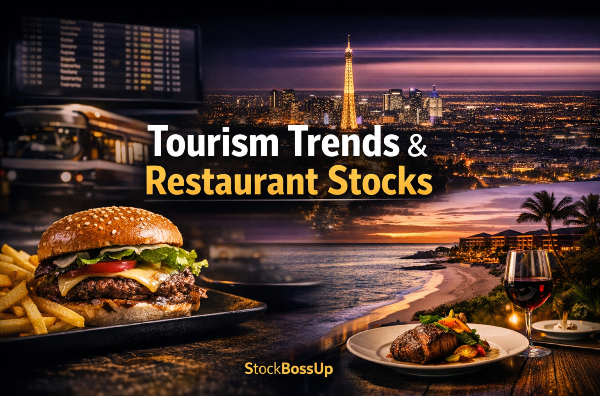
🌍 Key Takeaways: Tourism Trends and Restaurant Stocks
🍔 Tourism growth doesn’t guarantee restaurant stock success
Tourism boosts restaurant traffic, but only brands aligned with local travel patterns see lasting gains. Investors should focus on how well restaurants adapt to the *type* of tourism—urban, seasonal, or international—rather than raw visitor numbers.
🏙️ Location and travel rhythm drive profitability
Restaurants near airports, resorts, and walkable tourist zones outperform others. Matching service speed and menu style to the rhythm of local tourism—steady or seasonal—creates stronger, more predictable revenue streams.
✈️ Quick‑service chains dominate tourist spending
Travelers value convenience and reliability. Quick‑service restaurants capture the largest share of tourist dollars thanks to fast service, consistent menus, and prime placement in transportation hubs and city centers.
💡 Adaptation is the hidden factor behind stock growth
The most successful restaurant stocks belong to brands that evolve with tourism trends—integrating technology, flexible staffing, and region‑specific offerings. This adaptability explains why some stocks surge during travel booms while others stagnate.
Tourism is rising again in many parts of the world, and restaurants feel the effects faster than almost any other industry. More travelers mean more meals sold, more foot traffic, and more demand for quick service options. Yet many investors still struggle with one big problem: tourism growth does not always translate into higher restaurant stock performance. Some brands soar when travel spikes, while others barely move. The reason for this gap is not obvious at first glance, and the answer sits deeper in how tourism patterns are changing. That answer will come later, but first we need to understand the forces shaping the new travel economy.
Why Do Tourism Surges Help Some Restaurants More Than Others?
Tourism is not a single trend. It is a mix of business travel, leisure travel, international arrivals, road trips, and local weekend getaways. Each type of travel creates different patterns of spending. A family on vacation behaves differently from a business traveler rushing to a meeting. A road‑trip traveler stops at different restaurants than someone flying into a major city. These differences shape how restaurant brands grow.
Tourism also changes the rhythm of demand. Some cities see heavy seasonal spikes. Others see steady year‑round traffic. Restaurants that match the rhythm of their local tourism market tend to perform better. Those that do not often struggle to keep up.
Another factor is the rise of digital travel planning. Travelers now search for food options before they even arrive. This means restaurants with strong online visibility gain an advantage. Those without it may miss out on entire waves of tourists.
How Are Travelers Changing Their Spending Habits?
Travelers today spend more on experiences than on souvenirs. Food is one of the easiest ways to create a memorable experience. This shift has pushed many restaurants to redesign menus, improve décor, and highlight local flavors. Even large chains have added regional items to appeal to tourists seeking something unique.
At the same time, travelers want convenience. Mobile ordering, fast service, and clear pricing matter more than ever. Restaurants that combine convenience with quality tend to win the most tourist dollars.
One unique fact is that airports have become one of the fastest‑growing restaurant markets in the country. Some airport restaurants now earn more per square foot than top locations in major cities. This shift has changed how investors evaluate brands with strong travel‑hub footprints.
What Happens When Tourism Grows Faster Than Restaurant Capacity?
When tourism spikes, restaurants face pressure. They must hire more staff, increase inventory, and speed up service. If they fail to scale, customers face long waits and inconsistent meals. This can hurt reviews and reduce repeat visits.
Some restaurant chains have solved this by building flexible staffing models. Others use technology to predict demand and adjust schedules. Brands that manage capacity well often see stronger stock performance during tourism booms.
Below is a simple view of how tourism growth affects restaurant operations:
| Tourism Trend |
Restaurant Impact |
Stock Effect |
| Higher visitor volume |
More sales, longer lines |
Often positive |
| Seasonal spikes |
Staffing challenges |
Mixed |
| Airport traffic growth |
Higher revenue per square foot |
Often positive |
| International arrivals |
Demand for familiar brands |
Positive for global chains |
Why Do Some Tourist Cities Boost Restaurant Stocks More Than Others?
Not all tourist destinations create equal value for restaurants. Cities with strong walkability tend to generate more spontaneous dining. Beach towns often see high seasonal peaks. Mountain destinations attract travelers who spend more on food after long outdoor activities.
Urban tourism also plays a major role. Cities with major events—sports, concerts, conventions—create predictable waves of demand. Restaurants near these venues often outperform those in quieter areas.
Another surprising fact is that some cruise ports generate more restaurant revenue per visitor than major theme parks. This happens because cruise passengers often eat multiple meals on land before boarding or after returning.
How Do International Travelers Shape Restaurant Stock Performance?
International travelers bring different expectations. Many seek familiar brands when visiting a new country. This benefits global chains with strong brand recognition. Others want local food experiences, which helps regional restaurants.
Currency exchange rates also matter. When the dollar is strong, fewer international tourists visit the U.S. When the dollar is weak, more travelers come, boosting restaurant sales. Investors who track currency trends often spot restaurant stock opportunities early.
International travelers also stay longer than domestic tourists. Longer stays mean more meals purchased. This creates a steady revenue stream for restaurants in major gateway cities.
Why Are Quick‑Service Restaurants Winning More Tourist Dollars?
Quick‑service restaurants (QSRs) have become the top choice for many travelers. They offer predictable menus, fast service, and clear pricing. Tourists often choose QSRs when they are tired, in a hurry, or unsure about local options.
QSRs also benefit from being located in airports, train stations, and busy downtown areas. These high‑traffic locations generate strong sales even during slow tourism periods.
Below is a comparison of how different restaurant types benefit from tourism:
| Restaurant Type |
Tourism Benefit Level |
Reason |
| Quick‑Service |
High |
Fast, predictable, convenient |
| Casual Dining |
Medium |
Good for families and groups |
| Fine Dining |
Low to Medium |
Depends on destination |
| Local Specialty |
High in tourist cities |
Unique experiences |
What Role Do Hotels and Resorts Play in Restaurant Stock Growth?
Hotels and resorts shape where tourists eat. Many travelers choose restaurants based on proximity to their lodging. This gives hotel‑adjacent restaurants a major advantage.
Resorts often partner with well‑known restaurant brands. These partnerships boost visibility and create steady demand. Some restaurant chains earn a large share of their revenue from resort locations alone.
Hotels also influence breakfast trends. As more hotels cut back on free breakfast options, travelers turn to nearby restaurants. This shift has boosted morning sales for many chains.
Why Are Tourist Transportation Hubs Becoming Restaurant Powerhouses?
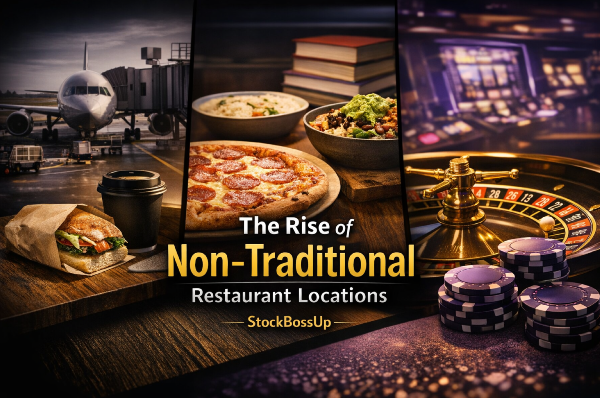
Airports, train stations, and cruise terminals have become major restaurant hubs. Travelers spend long periods waiting, which increases food purchases. Many transportation hubs now feature premium dining options, not just fast food.
Airport restaurants, in particular, have seen strong growth. They benefit from high foot traffic and limited competition. Some airport locations generate more annual revenue than flagship stores in major cities.
Cruise terminals also create strong demand. Passengers often arrive early and look for meals before boarding. This creates a reliable stream of customers for nearby restaurants.
How Do Local Events and Festivals Influence Restaurant Stocks?
Events and festivals bring large crowds to specific areas. Restaurants near event venues often see huge spikes in sales. These spikes can last for days or even weeks.
Sports events are especially powerful. Fans travel long distances and spend heavily on food. Restaurants near stadiums often see strong performance during sports seasons.
Music festivals also drive demand. Travelers attending multi‑day events eat multiple meals in the area. This creates a temporary but intense boost for local restaurants.
Below is a simple breakdown of event‑driven restaurant demand:
| Event Type |
Impact on Restaurants |
Duration |
| Sports Events |
High |
Seasonal |
| Music Festivals |
Very High |
Short‑term |
| Conventions |
Medium |
Multi‑day |
| Holiday Celebrations |
High |
Annual |
What Is the Hidden Factor That Explains Why Tourism Doesn’t Always Boost Restaurant Stocks?
Tourism growth alone does not guarantee stock growth. The hidden factor is how well a restaurant brand adapts to the type of tourism in its strongest markets. Brands that match their menu, pricing, and service style to the dominant travel patterns in their regions tend to outperform. Those that fail to adapt often miss out on the full value of tourism waves.
Some brands thrive in airports. Others thrive in beach towns. Some do best in walkable cities. The key is alignment. When a restaurant’s strengths match the behavior of the tourists visiting its area, stock performance improves. When they do not match, even strong tourism numbers may not help.
This alignment is the real driver behind the gap mentioned in the introduction. It explains why some restaurant stocks surge during tourism booms while others barely move.
Conclusion: How Can Investors Use Tourism Trends to Predict Restaurant Stock Growth?
Tourism is one of the most powerful forces shaping restaurant performance today. It affects foot traffic, menu choices, staffing needs, and long‑term brand strategy. Investors who understand tourism patterns can spot opportunities before they appear in earnings reports.
The key is to look beyond simple visitor numbers. The real value lies in understanding the type of traveler, the location they visit, and the restaurant brands best positioned to serve them. When these elements align, restaurant stocks often see strong and lasting growth.
Tourism will continue to evolve. Travelers will keep seeking convenience, unique experiences, and reliable food options. Restaurants that adapt to these expectations will be the ones that rise above the rest.
🚀 Expand Your Edge: Elite Restaurant & Consumer Insights
Ready to dominate the sector? Our Investor Intelligence Hub is designed to help you navigate the complex world of restaurant equities with precision. From deep-dive fundamental analysis to macroeconomic strategy, explore our curated silos below to find your next big winner.
🍽️ Sector Fundamentals & Top Picks
📊 Deep-Dive Financial Analysis
🧠 Strategic Operations & Economics
🌍 Macro, Risk & Global Trends
💡 Investor Psychology & Behavioral Trends
🔍 Advanced Intelligence








🌍 Key Takeaways: Tourism Trends and Restaurant Stocks
🍔 Tourism growth doesn’t guarantee restaurant stock success
Tourism boosts restaurant traffic, but only brands aligned with local travel patterns see lasting gains. Investors should focus on how well restaurants adapt to the *type* of tourism—urban, seasonal, or international—rather than raw visitor numbers.🏙️ Location and travel rhythm drive profitability
Restaurants near airports, resorts, and walkable tourist zones outperform others. Matching service speed and menu style to the rhythm of local tourism—steady or seasonal—creates stronger, more predictable revenue streams.✈️ Quick‑service chains dominate tourist spending
Travelers value convenience and reliability. Quick‑service restaurants capture the largest share of tourist dollars thanks to fast service, consistent menus, and prime placement in transportation hubs and city centers.💡 Adaptation is the hidden factor behind stock growth
The most successful restaurant stocks belong to brands that evolve with tourism trends—integrating technology, flexible staffing, and region‑specific offerings. This adaptability explains why some stocks surge during travel booms while others stagnate.Tourism is rising again in many parts of the world, and restaurants feel the effects faster than almost any other industry. More travelers mean more meals sold, more foot traffic, and more demand for quick service options. Yet many investors still struggle with one big problem: tourism growth does not always translate into higher restaurant stock performance. Some brands soar when travel spikes, while others barely move. The reason for this gap is not obvious at first glance, and the answer sits deeper in how tourism patterns are changing. That answer will come later, but first we need to understand the forces shaping the new travel economy.
Why Do Tourism Surges Help Some Restaurants More Than Others?
Tourism is not a single trend. It is a mix of business travel, leisure travel, international arrivals, road trips, and local weekend getaways. Each type of travel creates different patterns of spending. A family on vacation behaves differently from a business traveler rushing to a meeting. A road‑trip traveler stops at different restaurants than someone flying into a major city. These differences shape how restaurant brands grow.
Tourism also changes the rhythm of demand. Some cities see heavy seasonal spikes. Others see steady year‑round traffic. Restaurants that match the rhythm of their local tourism market tend to perform better. Those that do not often struggle to keep up.
Another factor is the rise of digital travel planning. Travelers now search for food options before they even arrive. This means restaurants with strong online visibility gain an advantage. Those without it may miss out on entire waves of tourists.
How Are Travelers Changing Their Spending Habits?
Travelers today spend more on experiences than on souvenirs. Food is one of the easiest ways to create a memorable experience. This shift has pushed many restaurants to redesign menus, improve décor, and highlight local flavors. Even large chains have added regional items to appeal to tourists seeking something unique.
At the same time, travelers want convenience. Mobile ordering, fast service, and clear pricing matter more than ever. Restaurants that combine convenience with quality tend to win the most tourist dollars.
One unique fact is that airports have become one of the fastest‑growing restaurant markets in the country. Some airport restaurants now earn more per square foot than top locations in major cities. This shift has changed how investors evaluate brands with strong travel‑hub footprints.
What Happens When Tourism Grows Faster Than Restaurant Capacity?
When tourism spikes, restaurants face pressure. They must hire more staff, increase inventory, and speed up service. If they fail to scale, customers face long waits and inconsistent meals. This can hurt reviews and reduce repeat visits.
Some restaurant chains have solved this by building flexible staffing models. Others use technology to predict demand and adjust schedules. Brands that manage capacity well often see stronger stock performance during tourism booms.
Below is a simple view of how tourism growth affects restaurant operations:
Why Do Some Tourist Cities Boost Restaurant Stocks More Than Others?
Not all tourist destinations create equal value for restaurants. Cities with strong walkability tend to generate more spontaneous dining. Beach towns often see high seasonal peaks. Mountain destinations attract travelers who spend more on food after long outdoor activities.
Urban tourism also plays a major role. Cities with major events—sports, concerts, conventions—create predictable waves of demand. Restaurants near these venues often outperform those in quieter areas.
Another surprising fact is that some cruise ports generate more restaurant revenue per visitor than major theme parks. This happens because cruise passengers often eat multiple meals on land before boarding or after returning.
How Do International Travelers Shape Restaurant Stock Performance?
International travelers bring different expectations. Many seek familiar brands when visiting a new country. This benefits global chains with strong brand recognition. Others want local food experiences, which helps regional restaurants.
Currency exchange rates also matter. When the dollar is strong, fewer international tourists visit the U.S. When the dollar is weak, more travelers come, boosting restaurant sales. Investors who track currency trends often spot restaurant stock opportunities early.
International travelers also stay longer than domestic tourists. Longer stays mean more meals purchased. This creates a steady revenue stream for restaurants in major gateway cities.
Why Are Quick‑Service Restaurants Winning More Tourist Dollars?
Quick‑service restaurants (QSRs) have become the top choice for many travelers. They offer predictable menus, fast service, and clear pricing. Tourists often choose QSRs when they are tired, in a hurry, or unsure about local options.
QSRs also benefit from being located in airports, train stations, and busy downtown areas. These high‑traffic locations generate strong sales even during slow tourism periods.
Below is a comparison of how different restaurant types benefit from tourism:
What Role Do Hotels and Resorts Play in Restaurant Stock Growth?
Hotels and resorts shape where tourists eat. Many travelers choose restaurants based on proximity to their lodging. This gives hotel‑adjacent restaurants a major advantage.
Resorts often partner with well‑known restaurant brands. These partnerships boost visibility and create steady demand. Some restaurant chains earn a large share of their revenue from resort locations alone.
Hotels also influence breakfast trends. As more hotels cut back on free breakfast options, travelers turn to nearby restaurants. This shift has boosted morning sales for many chains.
Why Are Tourist Transportation Hubs Becoming Restaurant Powerhouses?
Airports, train stations, and cruise terminals have become major restaurant hubs. Travelers spend long periods waiting, which increases food purchases. Many transportation hubs now feature premium dining options, not just fast food.
Airport restaurants, in particular, have seen strong growth. They benefit from high foot traffic and limited competition. Some airport locations generate more annual revenue than flagship stores in major cities.
Cruise terminals also create strong demand. Passengers often arrive early and look for meals before boarding. This creates a reliable stream of customers for nearby restaurants.
How Do Local Events and Festivals Influence Restaurant Stocks?
Events and festivals bring large crowds to specific areas. Restaurants near event venues often see huge spikes in sales. These spikes can last for days or even weeks.
Sports events are especially powerful. Fans travel long distances and spend heavily on food. Restaurants near stadiums often see strong performance during sports seasons.
Music festivals also drive demand. Travelers attending multi‑day events eat multiple meals in the area. This creates a temporary but intense boost for local restaurants.
Below is a simple breakdown of event‑driven restaurant demand:
What Is the Hidden Factor That Explains Why Tourism Doesn’t Always Boost Restaurant Stocks?
Tourism growth alone does not guarantee stock growth. The hidden factor is how well a restaurant brand adapts to the type of tourism in its strongest markets. Brands that match their menu, pricing, and service style to the dominant travel patterns in their regions tend to outperform. Those that fail to adapt often miss out on the full value of tourism waves.
Some brands thrive in airports. Others thrive in beach towns. Some do best in walkable cities. The key is alignment. When a restaurant’s strengths match the behavior of the tourists visiting its area, stock performance improves. When they do not match, even strong tourism numbers may not help.
This alignment is the real driver behind the gap mentioned in the introduction. It explains why some restaurant stocks surge during tourism booms while others barely move.
Conclusion: How Can Investors Use Tourism Trends to Predict Restaurant Stock Growth?
Tourism is one of the most powerful forces shaping restaurant performance today. It affects foot traffic, menu choices, staffing needs, and long‑term brand strategy. Investors who understand tourism patterns can spot opportunities before they appear in earnings reports.
The key is to look beyond simple visitor numbers. The real value lies in understanding the type of traveler, the location they visit, and the restaurant brands best positioned to serve them. When these elements align, restaurant stocks often see strong and lasting growth.
Tourism will continue to evolve. Travelers will keep seeking convenience, unique experiences, and reliable food options. Restaurants that adapt to these expectations will be the ones that rise above the rest.
🚀 Expand Your Edge: Elite Restaurant & Consumer Insights
Ready to dominate the sector? Our Investor Intelligence Hub is designed to help you navigate the complex world of restaurant equities with precision. From deep-dive fundamental analysis to macroeconomic strategy, explore our curated silos below to find your next big winner.
🍽️ Sector Fundamentals & Top Picks
📊 Deep-Dive Financial Analysis
🧠 Strategic Operations & Economics
🌍 Macro, Risk & Global Trends
💡 Investor Psychology & Behavioral Trends
🔍 Advanced Intelligence