Last updated on July 28th 2026 by Noah Brody
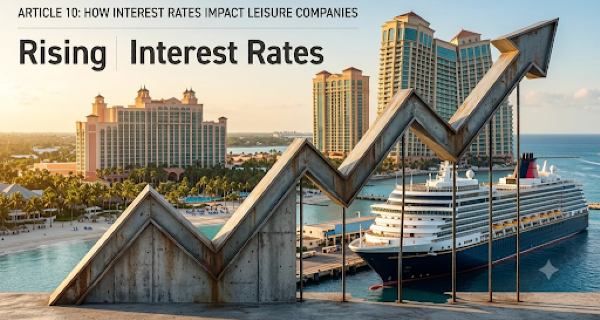
📉 Interest rates influence leisure stocks through debt, spending, and valuations
Higher rates can increase borrowing costs, reduce consumer spending power, and pressure stock valuations across the leisure industry.
🏦 Debt levels are a major risk factor for leisure companies
Asset-heavy businesses with large debt obligations can face higher expenses, weaker cash flow, and greater financial pressure when rates rise.
💳 Consumer spending often declines when borrowing costs increase
Higher mortgage, auto loan, and credit card costs can reduce disposable income available for travel, entertainment, and other leisure activities.
🚀 Strong leisure companies can benefit from falling interest rates
Businesses with low debt, pricing power, strong brands, and asset-light models are often positioned to outperform as borrowing conditions improve.
How Interest Rates Impact Leisure Companies
Why Are Interest Rates Important for Leisure Investors?
Interest rates are one of the most powerful external forces acting on leisure companies and their stock prices. The relationship between rates and leisure stocks operates through multiple channels simultaneously, affecting everything from company borrowing costs and consumer spending patterns to the valuation multiples investors are willing to pay. Understanding these mechanisms is essential for any serious leisure investor.
How Do Higher Rates Affect Leisure Company Debt?
The most direct impact of rising interest rates on leisure companies is through their cost of debt. Asset-heavy businesses in the leisure sector, including cruise lines, hotel owners, theme park operators, and resort companies, typically carry large amounts of debt used to finance physical infrastructure. When benchmark interest rates rise, the cost of refinancing existing debt or raising new debt increases proportionally. This directly reduces free cash flow available for growth investment, shareholder returns, and debt repayment. Companies with floating-rate debt feel this impact immediately, while those with fixed-rate debt face the pressure only upon maturity and refinancing.
Why Can High Debt Become a Major Problem?
High debt loads in a high-rate environment can create a vicious cycle. As borrowing costs rise, credit ratings may be downgraded if debt service coverage ratios deteriorate. Downgrades further increase borrowing costs and restrict access to capital markets, potentially forcing companies to sell assets or cut dividends to preserve financial flexibility. The pandemic-era debt accumulation across much of the leisure sector has made this risk more relevant than it was a decade ago.
How Do Interest Rates Change Consumer Leisure Spending?
On the consumer side, higher interest rates reduce household disposable income through multiple channels. Mortgage rates rise, increasing monthly payments for homeowners and reducing housing affordability for prospective buyers. Auto loan rates climb, making vehicle purchases more expensive. Credit card interest rates increase, discouraging revolving debt accumulation. All of these pressures reduce the amount of money households have available for discretionary spending on leisure activities. The impact is felt most acutely by middle-income consumers who carry significant variable-rate debt.
How Does the Housing Market Influence Leisure Demand?
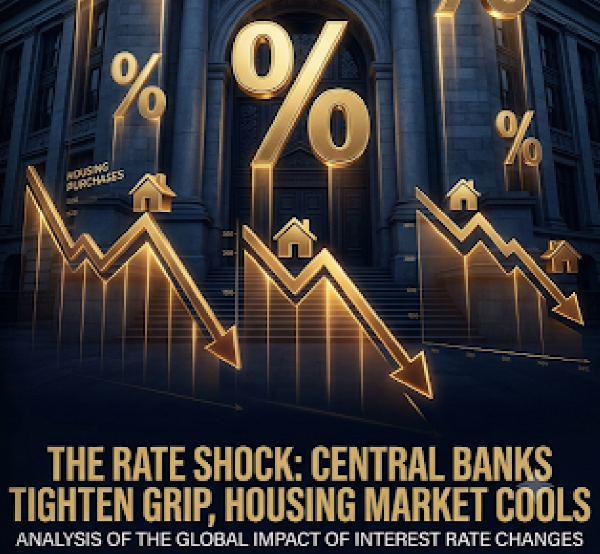
Higher rates also affect consumer behavior through their impact on the housing market. When mortgage rates rise and home values cool, the wealth effect that drives luxury leisure spending diminishes. Homeowners who felt wealthy during a housing boom and spent accordingly on premium travel and entertainment pull back as paper wealth evaporates. This channel is particularly important for high-end resort operators and luxury hospitality companies.
Why Do Interest Rates Affect Leisure Stock Valuations?
From a valuation perspective, rising interest rates mechanically reduce the present value of future cash flows. Growth-oriented leisure companies, whose value is heavily weighted toward earnings expected years or decades in the future, are particularly sensitive to this dynamic. When the risk-free rate rises from two to five percent, the discount rate investors apply to future earnings increases substantially, compressing valuation multiples even if the underlying business fundamentals remain unchanged.
Why Do Leisure Stocks Often Benefit From Falling Rates?
Conversely, when interest rates fall, leisure stocks tend to benefit significantly. Lower rates reduce borrowing costs, support consumer spending, and increase the present value of future earnings streams. The rate-cutting cycles following economic recessions have historically been powerful catalysts for leisure stock recoveries. Investors who understand this cycle and position themselves in quality leisure names during rate peaks often capture exceptional returns as rates eventually normalize.
How Do Interest Rates Affect Currency and Travel Demand?
The relationship between rates and currency values adds another dimension. Higher US interest rates typically attract foreign capital, strengthening the dollar. A stronger dollar makes American tourist destinations less competitive for international visitors and makes overseas travel cheaper for Americans, shifting demand patterns in ways that benefit different types of leisure businesses differently.
Why Should Investors Follow Central Bank Policies?
Central bank communication is therefore a critical data input for leisure investors. Forward guidance from the Federal Reserve and other major central banks shapes expectations about future rate paths, which in turn influences both business investment decisions and investor valuations. Leisure investors should track rate expectations carefully and understand how their portfolio companies would fare under different interest rate scenarios.
Which Leisure Companies Perform Best During High-Rate Periods?
The most resilient leisure companies in high-rate environments are those with strong pricing power, low debt, asset-light business models, and premium brand positioning that allows them to maintain demand even as consumers tighten their overall spending. Identifying these companies before rate cycles turn is one of the most valuable skills a leisure investor can develop.
🚀 Expand Your Edge: Elite Leisure Industry Investment Intelligence
The leisure industry spans travel, entertainment, hospitality, gaming, sports, recreation, and experiential businesses that benefit from rising consumer spending and long-term demographic trends. Our Leisure Industry Investor Intelligence Hub brings together comprehensive research covering industry fundamentals, market-leading companies, macroeconomic drivers, financial analysis, emerging technologies, and future growth opportunities. Explore the curated resources below to build a deeper understanding of one of the market's most dynamic sectors.
🌎 Industry Fundamentals & Market Leaders
🎯 Leisure Industry Sectors & Investment Opportunities
📊 Financial Analysis & Portfolio Strategy
🤖 Technology, AI & Industry Innovation
🌍 Economic Trends & Market Drivers
⚠️ Risk Management & Smart Investing
















Last updated on July 28th 2026 by Noah Brody
📉 Interest rates influence leisure stocks through debt, spending, and valuations
Higher rates can increase borrowing costs, reduce consumer spending power, and pressure stock valuations across the leisure industry.
🏦 Debt levels are a major risk factor for leisure companies
Asset-heavy businesses with large debt obligations can face higher expenses, weaker cash flow, and greater financial pressure when rates rise.
💳 Consumer spending often declines when borrowing costs increase
Higher mortgage, auto loan, and credit card costs can reduce disposable income available for travel, entertainment, and other leisure activities.
🚀 Strong leisure companies can benefit from falling interest rates
Businesses with low debt, pricing power, strong brands, and asset-light models are often positioned to outperform as borrowing conditions improve.
How Interest Rates Impact Leisure Companies
Why Are Interest Rates Important for Leisure Investors?
Interest rates are one of the most powerful external forces acting on leisure companies and their stock prices. The relationship between rates and leisure stocks operates through multiple channels simultaneously, affecting everything from company borrowing costs and consumer spending patterns to the valuation multiples investors are willing to pay. Understanding these mechanisms is essential for any serious leisure investor.
How Do Higher Rates Affect Leisure Company Debt?
The most direct impact of rising interest rates on leisure companies is through their cost of debt. Asset-heavy businesses in the leisure sector, including cruise lines, hotel owners, theme park operators, and resort companies, typically carry large amounts of debt used to finance physical infrastructure. When benchmark interest rates rise, the cost of refinancing existing debt or raising new debt increases proportionally. This directly reduces free cash flow available for growth investment, shareholder returns, and debt repayment. Companies with floating-rate debt feel this impact immediately, while those with fixed-rate debt face the pressure only upon maturity and refinancing.
Why Can High Debt Become a Major Problem?
High debt loads in a high-rate environment can create a vicious cycle. As borrowing costs rise, credit ratings may be downgraded if debt service coverage ratios deteriorate. Downgrades further increase borrowing costs and restrict access to capital markets, potentially forcing companies to sell assets or cut dividends to preserve financial flexibility. The pandemic-era debt accumulation across much of the leisure sector has made this risk more relevant than it was a decade ago.
How Do Interest Rates Change Consumer Leisure Spending?
On the consumer side, higher interest rates reduce household disposable income through multiple channels. Mortgage rates rise, increasing monthly payments for homeowners and reducing housing affordability for prospective buyers. Auto loan rates climb, making vehicle purchases more expensive. Credit card interest rates increase, discouraging revolving debt accumulation. All of these pressures reduce the amount of money households have available for discretionary spending on leisure activities. The impact is felt most acutely by middle-income consumers who carry significant variable-rate debt.
How Does the Housing Market Influence Leisure Demand?
Higher rates also affect consumer behavior through their impact on the housing market. When mortgage rates rise and home values cool, the wealth effect that drives luxury leisure spending diminishes. Homeowners who felt wealthy during a housing boom and spent accordingly on premium travel and entertainment pull back as paper wealth evaporates. This channel is particularly important for high-end resort operators and luxury hospitality companies.
Why Do Interest Rates Affect Leisure Stock Valuations?
From a valuation perspective, rising interest rates mechanically reduce the present value of future cash flows. Growth-oriented leisure companies, whose value is heavily weighted toward earnings expected years or decades in the future, are particularly sensitive to this dynamic. When the risk-free rate rises from two to five percent, the discount rate investors apply to future earnings increases substantially, compressing valuation multiples even if the underlying business fundamentals remain unchanged.
Why Do Leisure Stocks Often Benefit From Falling Rates?
Conversely, when interest rates fall, leisure stocks tend to benefit significantly. Lower rates reduce borrowing costs, support consumer spending, and increase the present value of future earnings streams. The rate-cutting cycles following economic recessions have historically been powerful catalysts for leisure stock recoveries. Investors who understand this cycle and position themselves in quality leisure names during rate peaks often capture exceptional returns as rates eventually normalize.
How Do Interest Rates Affect Currency and Travel Demand?
The relationship between rates and currency values adds another dimension. Higher US interest rates typically attract foreign capital, strengthening the dollar. A stronger dollar makes American tourist destinations less competitive for international visitors and makes overseas travel cheaper for Americans, shifting demand patterns in ways that benefit different types of leisure businesses differently.
Why Should Investors Follow Central Bank Policies?
Central bank communication is therefore a critical data input for leisure investors. Forward guidance from the Federal Reserve and other major central banks shapes expectations about future rate paths, which in turn influences both business investment decisions and investor valuations. Leisure investors should track rate expectations carefully and understand how their portfolio companies would fare under different interest rate scenarios.
Which Leisure Companies Perform Best During High-Rate Periods?
The most resilient leisure companies in high-rate environments are those with strong pricing power, low debt, asset-light business models, and premium brand positioning that allows them to maintain demand even as consumers tighten their overall spending. Identifying these companies before rate cycles turn is one of the most valuable skills a leisure investor can develop.
🚀 Expand Your Edge: Elite Leisure Industry Investment Intelligence
The leisure industry spans travel, entertainment, hospitality, gaming, sports, recreation, and experiential businesses that benefit from rising consumer spending and long-term demographic trends. Our Leisure Industry Investor Intelligence Hub brings together comprehensive research covering industry fundamentals, market-leading companies, macroeconomic drivers, financial analysis, emerging technologies, and future growth opportunities. Explore the curated resources below to build a deeper understanding of one of the market's most dynamic sectors.
🌎 Industry Fundamentals & Market Leaders
🎯 Leisure Industry Sectors & Investment Opportunities
📊 Financial Analysis & Portfolio Strategy
🤖 Technology, AI & Industry Innovation
🌍 Economic Trends & Market Drivers
⚠️ Risk Management & Smart Investing